Hey David,
OK, I hear you:
“The idea is: once you already have a cut — rough or otherwise — it watches and listens to that version and returns timestamped notes on things like pacing, clarity, continuity, etc.”
On paper, that sounds great.
In reality, on bigger projects, my client get a Transcript with TimeCodes from me in a word.doc format. Where they can follow and make notes.
I’ve just come off a project with a running time of 110 minutes, where most of the edit, from rushes to final master, was “paper-edit”.
The pacing and clarity often becomes apparent during the edit and is changed on the fly as we go along.
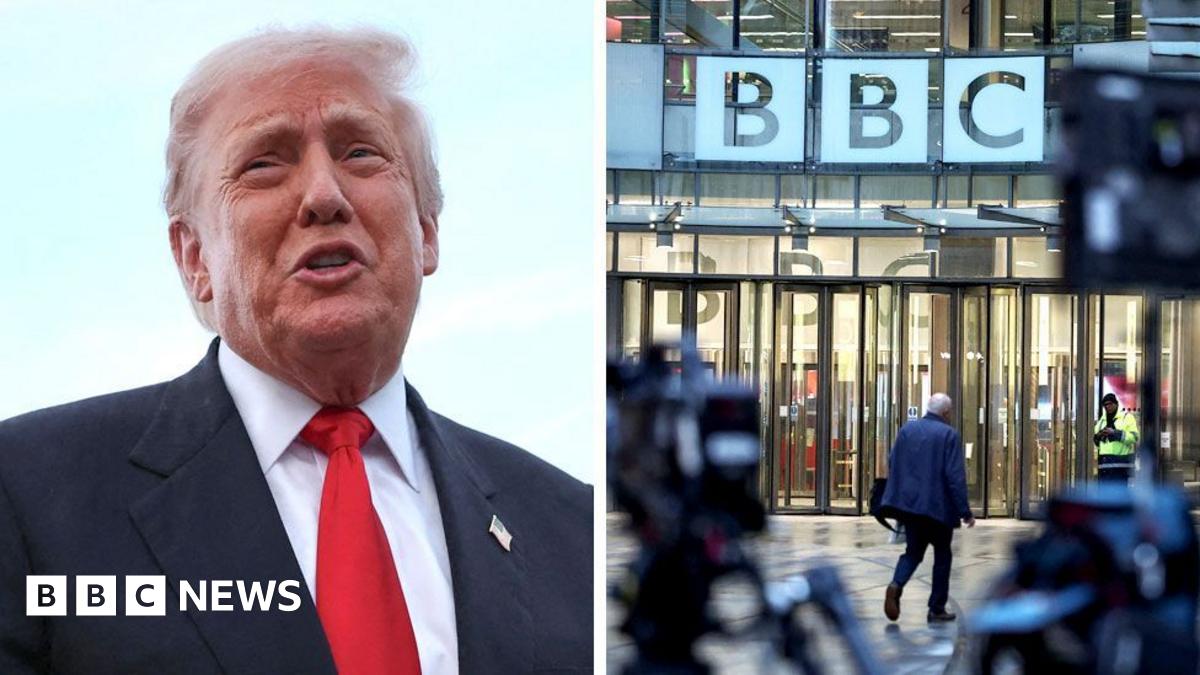
On Continuity, there is one former Director General, and the former head of news, at the BBC that might have wished for that.
https://www.bbc.co.uk/news/articles/c874nw4g2zzo
If anyone ask, you heard it here first; but if there was a visual tool that could show you where the clips in a timeline was from in the rushes. And, if two similar looking and/or sounding cuts might create a potential conflict because of the content, or placement in related to other content. Then you might have a winner.
Although, rather than in the cloud, you’ll have to be at local media server level. And the audio/video data, inside a international broadcaster, is astromically large.
But there is the argument of having a “forensic” trace to the origin of any given clip, which both the production, the compliance producer (before publishing), music licensing and the legal department would be happy to have + any future DG in the “Line of Fire”.
Hope this might help you to find new riches with your tool, please don’t forget me! 😁
Atb
Mads