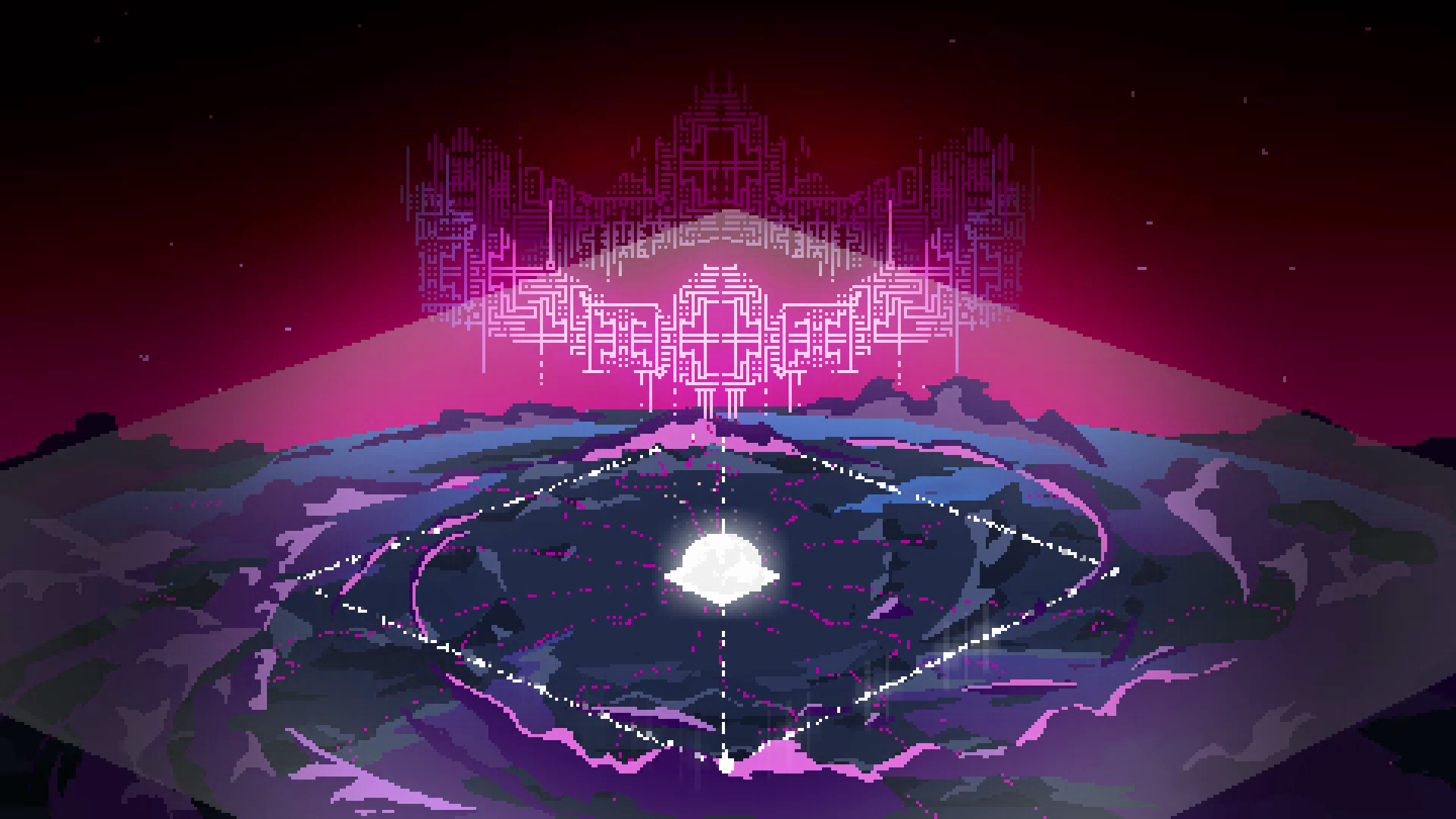
hey bro! so what’s happening is that your <strong data-start=”133″ data-end=”148″ style=”font-family: inherit; font-size: inherit;”>RAM preview is effectively showing the layer at <strong data-start=”185″ data-end=”209″ style=”font-family: inherit; font-size: inherit;”>full comp resolution, with AE being permissive about sub-pixel alignment. we need to avoid that.
simply paste this expression the position of the animated layer/properties so that it forces them to only have round numbers:
[Math.round(value[0]), Math.round(value[1])]
lemme prepare a little bullet list of optional additional fixes in case you need to escalate:
<b data-start=”1321″ data-end=”1364″>Disable sub-pixel sampling globally
<ul data-start=”1365″ data-end=”1545″>
<strong data-start=”1367″ data-end=”1391″>Layer Quality: Draft
<strong data-start=”1394″ data-end=”1421″>Comp Viewer: Fast Draft
<strong data-start=”1424″ data-end=”1486″>Project Settings → Video Rendering → Mercury Software Only<br data-start=”1486″ data-end=”1489″> (GPU acceleration can introduce sub-pixel interpolation)
<b data-start=”1547″ data-end=”1576″> Disable linearization
<ul data-start=”1577″ data-end=”1697″>
<strong data-start=”1579″ data-end=”1637″>Project Settings → Color → Linearize Working Space OFF
Linear color math causes edge blending on hard pixel edges.
<b data-start=”1699″ data-end=”1749″>Match comp resolution to native pixel grid
<ul data-start=”1750″ data-end=”1913″>
Comp size must be an <strong data-start=”1773″ data-end=”1799″>exact integer multiple of the pixel art’s base resolution.
No odd scaling ratios like 150%, 133.33%, etc.
Use 100%, 200%, 300% only.
<b data-start=”1915″ data-end=”1944″>Final render settings
<ul data-start=”1945″ data-end=”2091″>
<strong data-start=”1947″ data-end=”1965″>Render at Full
<strong data-start=”1968″ data-end=”1990″>No resizing in AME
<strong data-start=”1993″ data-end=”2024″>No scaling in output module
Avoid formats that internally resample (some H.264 profiles do)
hope that helps bro!