

Restoring Sneaker History with URSA Cine 17K 65

DP Alex Bather talks about pairing adidas Ostrich Kegler Super with digital 65.
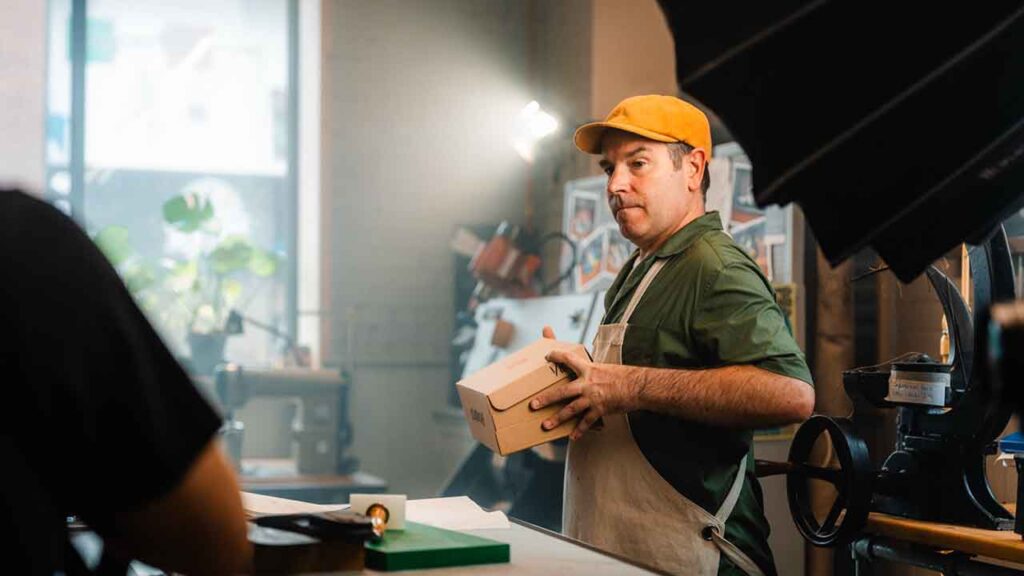
The short documentary “1/100: The Story of the Ostrich Kegler Super” isn’t really about sneakers in the usual sense. It’s about a myth made real: a pair of adidas’ almost forgotten Ostrich Kegler Super, created in 2000 to mark Adi Dassler’s centenary and whispered about ever since in trainer circles.
In Manchester, restorer Benji Blunt carefully brings one of the only surviving pairs back to life, while collector Robert Brooks provides the context that makes the film feel like a story passed down. The project was directed and shot by Alexander Bather over just two days.
Working as both director and cinematographer, he leaned on a tight crew, detailed prep, and a camera package that included Blackmagic URSA Cine 17K 65 digital film camera. The result is part documentary, part fashion film, part love letter to the culture around a shoe that almost slipped into obscurity.
We sat down with Bather to talk about balancing two jobs at once, shooting restoration as it happened and why the URSA Cine 17K 65 became his go to on set for this project.
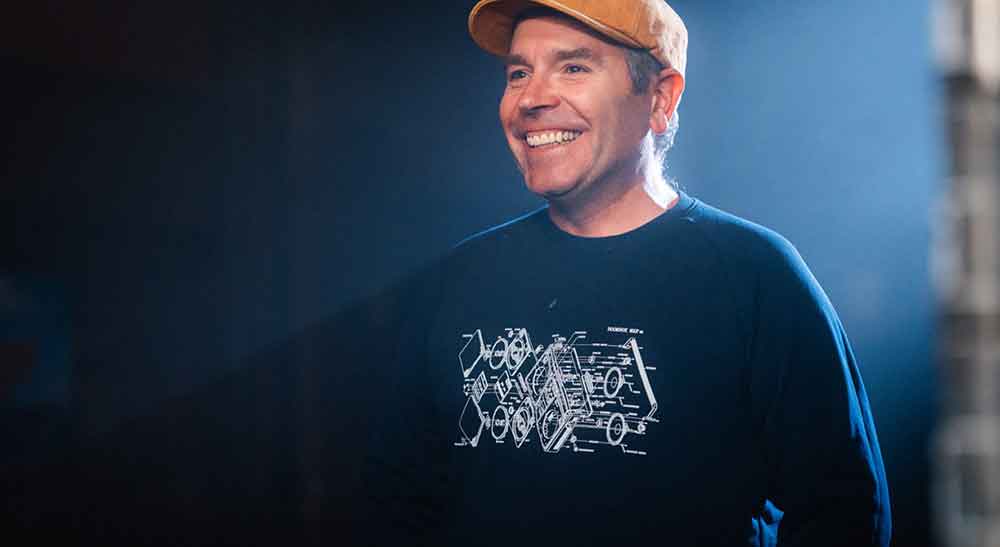
Q: How did you approach balancing the dual roles of director and cinematographer?
Balancing both roles is always a challenge, but preparation was everything. We meticulously planned every aspect of the shoot, from multiple site visits to pre lighting concepts, to ensure the technical execution fully supported the story. I had a clear visual language in mind, and our incredible team helped bring that vision to life seamlessly. I also spent time with the talent beforehand, so they were aligned with the tone and objectives, which made the process smooth on set. In the end, everything ran like clockwork, and the result matched exactly what we set out to achieve.
Q: Did wearing both hats give you more creative control?
Wearing both hats absolutely gave me the freedom to experiment visually. It meant I could make creative decisions in the moment without having to translate them through someone else. At the same time, it came with added pressure, since I was constantly double checking every detail in my head. That said, I genuinely enjoyed the process; having that level of control made the final result even more rewarding.
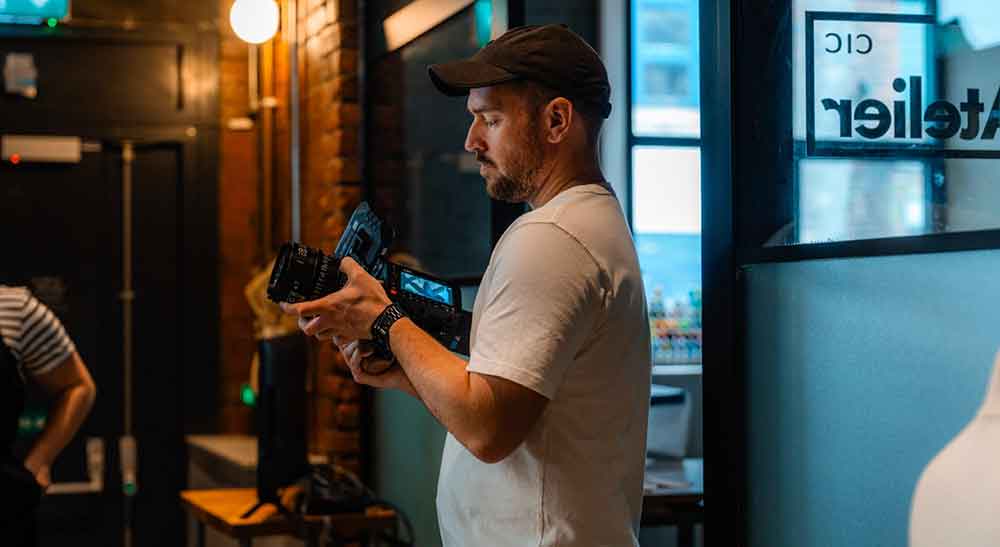
Q: How would you describe your cinematography style, and what influenced your approach here?
My cinematography style has been shaped over the years mostly from my love of cinema and working with different brands, particularly a suit company inspired by 1930s tailoring. That experience instilled a certain aesthetic sensibility in me, which naturally carried over into this project. Interestingly, the fact that it was a rare adidas shoe did not directly dictate the visual approach. Instead, I focused on creating a hybrid style, a narrative driven piece that blended elements of documentary and fashion film. I wanted the imagery to feel both modern and timeless, so we leaned into a mix of contemporary and vintage inspired color palettes and shot with a range of characterful lenses to give the film texture and personality.
Q: Did you feel a sense of responsibility in telling the story of such a cult shoe?
I felt a real sense of responsibility in bringing the story of the Ostrich Kegler Super to life, knowing how significant the shoe is within the trainer community. My goal was to create something that would put a smile on the faces of those who already appreciate its legacy, while also introducing its story to people who may not be familiar with it. Visually, I wanted to strike a balance between old and new using traditional methods of color, alongside more modern techniques, to capture both the historic spirit of the shoe and its enduring value.
Q: This was one of the first projects on the URSA Cine 17K 65. How did it perform?
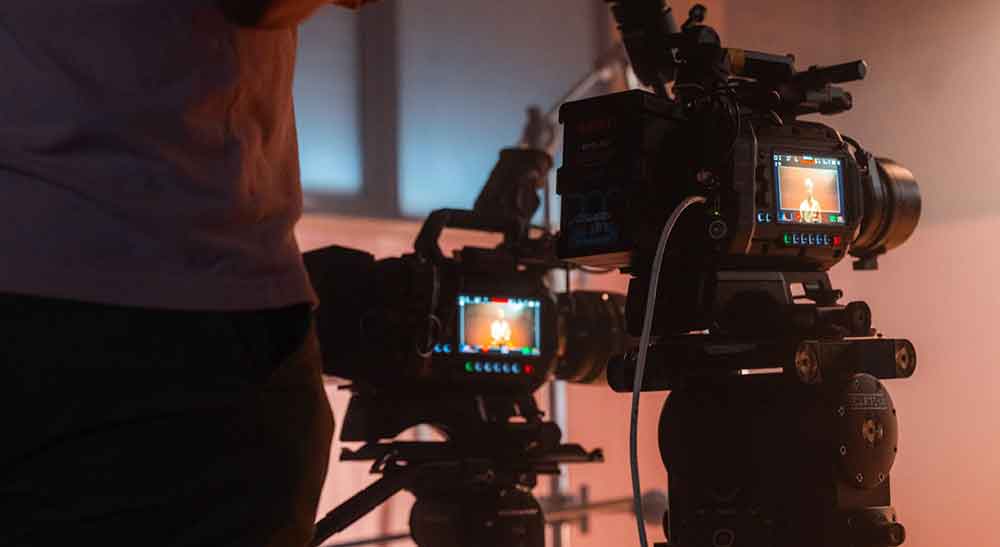
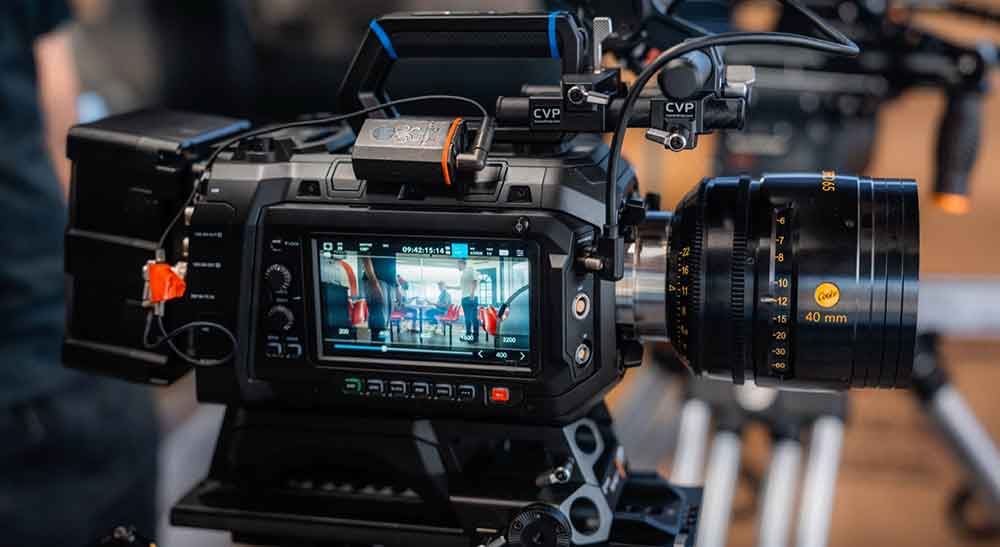
I’ve always loved Blackmagic cameras; they have this perfect balance of a filmic quality with a modern edge. When I first heard about the 17K, I knew I had to get my hands on it and put it to the test, and it definitely didn’t disappoint. I’ve been shooting on the URSA Mini Pro for years and more recently moved onto the PYXIS 6K, which I absolutely love. But the URSA Cine 17K 65 is on another level. It’s such a beast of a camera. I’ve never shot anything that looks so real. It’s insane how far camera technology has come. Our A cam was the 17K, and honestly, I would’ve used it for everything if I could. It’s just that good. The URSA Cine 12K LF is also a great camera, but on this project, we used it mainly for pickups and additional coverage.
Q: How did the color science and dynamic range support the project?
What really stood out for me was the color science. Blackmagic has always nailed that cinematic yet natural look, and the URSA Cine 17K gave me the consistency I needed across different lighting conditions. The latitude was equally impressive. In the café scene, for instance, the sky was completely clipped on set, but I was able to recover all that detail in post without introducing noise or banding. We even stress tested it by deliberately underexposing shots, and the files still held incredible dynamic range with plenty of room to grade. That kind of flexibility not only supports creative freedom but also streamlines the workflow, since I know the image will hold up no matter what we throw at it.
Q: Tell us about your lens package.
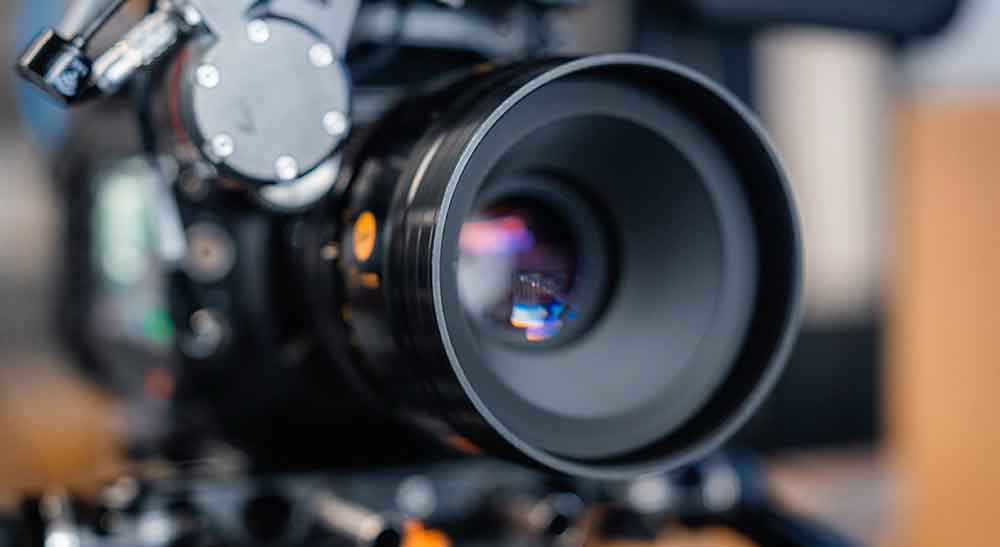
Lens choice was pretty straightforward for me. I’ve always gravitated toward Cooke glass. I’m not a fan of anything that feels overly clinical, and Cooke brings a warmth and character that’s hard to match. They let me inject more of my own personality into the imagery, which was important for this project. Paired with such a powerhouse of a camera, I honestly felt spoiled for choice. I also had the chance to work with the new Sigma Aizu primes, and they really impressed me.
Q: How did you approach shooting the restoration scenes compared to the interviews?
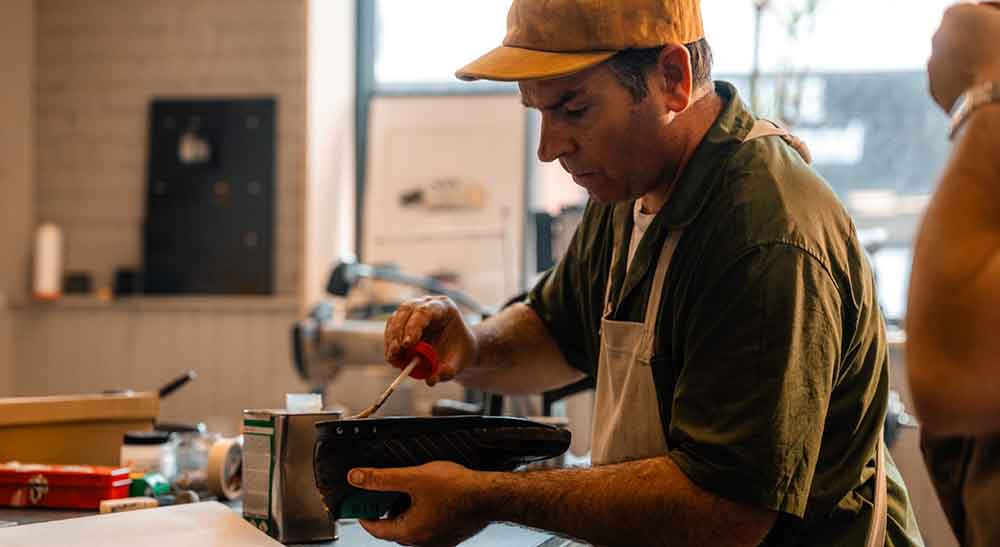
I approached the restoration scenes very differently from the interviews. In the workshop, the process was so delicate that we only had one chance to capture each step. Once something was restored, there was no going back. That meant the framing had to be more reactive, almost run and gun in style, making sure we didn’t miss anything while still keeping it cinematic. For the interviews, it was the opposite. I could take time to set up multicam coverage, lock in clean compositions and execute each frame with precision.
Q: Did the moving environment create lighting challenges?
Lighting the restoration process was definitely a challenge, especially with Benji moving constantly around the workshop. Instead of trying to relight each moment, I focused on lighting the entire space in a way that felt natural and consistent, then locked it off so I could move freely and follow him without breaking continuity. It was a different approach compared to shooting narrative or interview setups, where I have the freedom to shape and control the light more precisely around a static subject.
Q: How important was grading to your process?
Color grading is always a huge part of my process, and for this project I had a very clear vision from the outset. I knew the look I wanted before even picking up the camera. Many of my choices (lighting, lensing and exposure) were made with that end grade in mind. I also felt very fortunate to be working with Alistair Davidson at Core Post on this, as I think our styles aligned really well and complemented the project perfectly.
Q: What was the biggest technical challenge?
The biggest technical challenge on this shoot was definitely the timing. We only had two days to capture the entire project. That put a lot of pressure on efficiency, but thanks to a really strong crew it all ran smoothly. My AC, Ken Carson, was incredible, and our gaffer, Joel Dykes, was an absolute legend. Having that kind of support on set made all the difference.
Q: Looking back, what moment crystallized the story for you?
For me, it was the restoration process as a whole. It felt incredibly authentic and visually it came together in a really powerful way. We were also able to push the cameras into high frame rates while still retaining image quality, which added another layer of impact to those moments.
Enjoying the news? Sign up for the Creative COW Newsletter!
Sign up for the Creative COW newsletter and get weekly updates on industry news, forum highlights, jobs, inspirational tutorials, tips, burning questions, and more! Receive bulletins from the largest, longest-running community dedicated to supporting professionals working in film, video, and audio.
Enter your email address, and your first and last name below!


Responses