


Leveraging All of Entertainment’s IP

“Nobody ever wins the games. Period. There are survivors. There’s no winners.” – Haymitch Abernathy, Hunger Games: Catching Fire, Lionsgate, 2013
We’re not really a gamer but we’ve got this guy (actually, two guys and a couple of kids) that keep trying to get us on the path of righteous gaming.
It’s not that we’re totally ignorant about the various shades of gaming, we’ve been associated off and on with the market segment since it’s early Atari days and been involved and observant of it as it has grown.

Still have some of the older game systems and carts gathering dust somewhere around the house.
Last time we showed some of them to the kids, our daughter just rolled her eyes, and son simply laughed his *** off.
We don’t mind, but it’s difficult to believe that those rudimentary systems launched such a diverse, tough and seemingly profitable business … at least for a few.
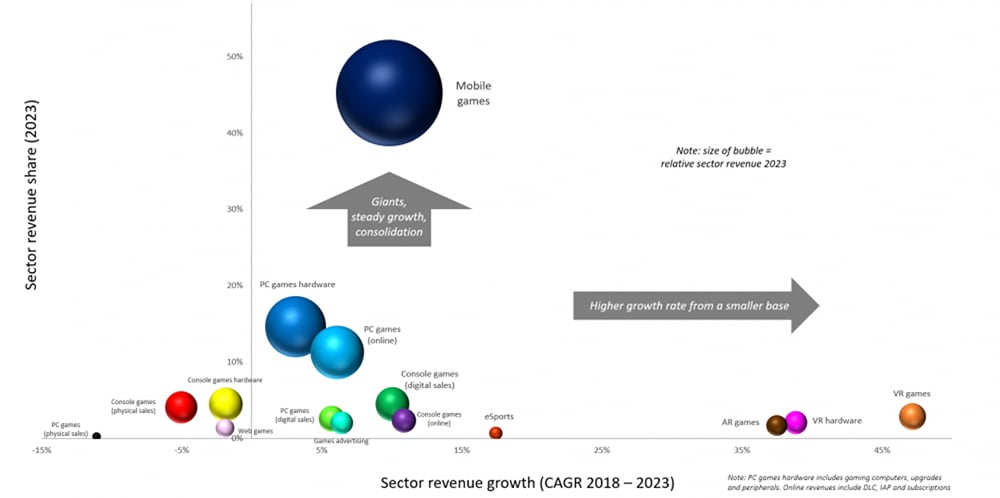
Mobile Everywhere – There’s no one size fits all when describing the video game arena. Mobile is largest by the number of total users, but console and PC games clearly represent the leading edge of the technology.
About 3.6B people today play video games of all types or about 60 percent of the world’s online population, but the market appears to have finally reached a point of maturity because growth has flattened.
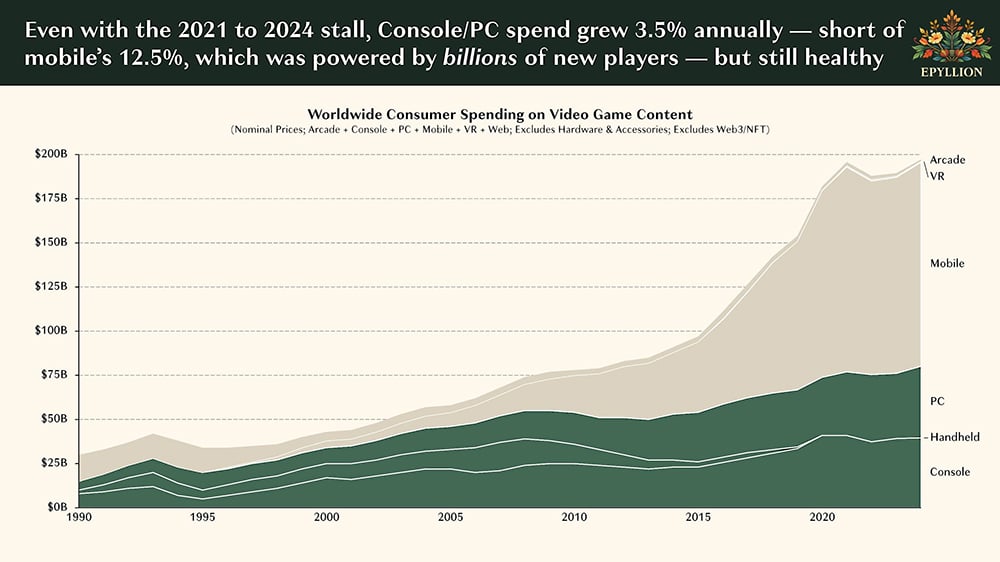
The market is projected to be worth about $189B this year with mobile gaming expected to produce about $103B of the total or about 55 percent of the total market.
Since almost everyone has a smartphone today, mobile gaming is the largest and most popular form of gaming that covers a wide range of genre from battle royales, strategy, puzzle and action.
Some of the mobile games – especially those cross-platform games like Fortnite, Minecraft, Call of Duty and others – are almost as challenging as their computer and console brethren. Many of these are very immersive and can keep you involved for hours
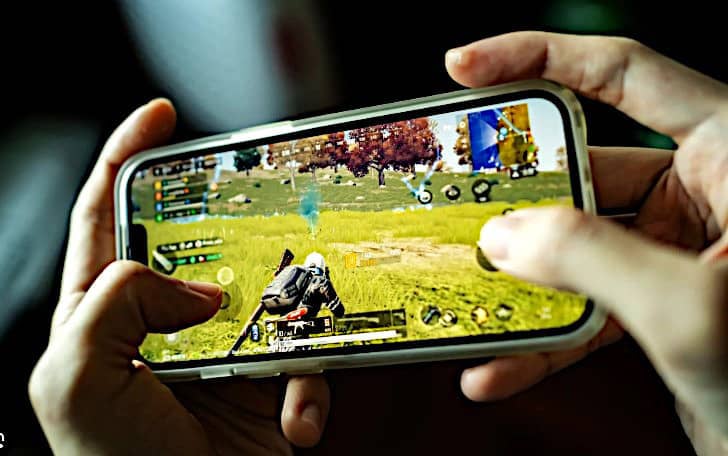
Beyond Puzzles – While puzzle and arcade games may be the most widely played mobile video games there are also a lot of very creatively designed action, RPG, racing and strategy games that can keep gamers playing for hours on end.
But a lot of them like Candy Crush, Blockbuster, Wordmeister, Fairyland, Castle Craft and a myriad puzzle games seem to be something to fill time.
Yeah, we see a lot of folks on flights take out their phones and play stand-alone games or connect to the airline’s wi-fi and fill the hours playing downloadable and cloud-based games.
Don’t get us wrong, we don’t spend all our time checking out what everyone around us is doing; but we just need to periodically take a break from our movie viewing on our small screen so…Sure, we could pull down our 17-in notebook, but that’s such a pain unless we want to get serious work done.
From our informal over-the-seat snooping and more reliable industry research, puzzle games are the most popular with Millennials and older folks.
About 73 percent of boomers and older play puzzle games while 71 percent of the Gen Z population play them.
Actually, the puzzle and arcade games appeal to people across the age groups. 67 percent of Gen Alpha’s play arcade games followed by 66 percent who play puzzle games.
According to Pew Research, while 81 percent of girls ages 13-14 and 67 percent of those 15-17 play video games, only 17 percent of them identify as gamers compared to nearly 62 percent of boys in the same age groups.
Across all age groups, mobile gaming accounts for about half of the industry’s total income and probably 80 percent of the personal data gathered.
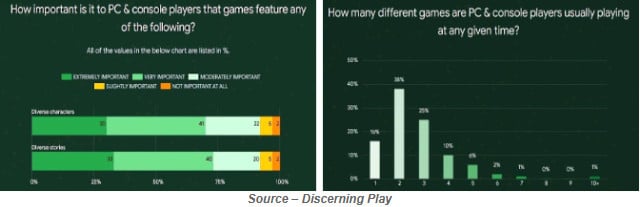
Serious gamers – those who devote hours in front of the screen – have definite opinions on what makes a good to great video game even as they rotate through a number of games constantly.
While we’re a casual gamer (at best), mobile games never really appealed to us. Suppose it’s because we grew up in the console and PC era.
Combined, the two gaming segments account for about $80B sales annually, which is on top of the hardcore players’ continual upgrades of new consoles and bigger/badder/slicker PCs.
Folks regularly upgrade their gaming consoles. The newer/more improved Sony PlayStations and Nintendo Switch both offer subscription services.

He thought it represented the true high art of gaming, far beyond the majority of low-brow stuff people play on their smartphones.

There was such a solid storyline that dealt with family, death, grief, loss and emotion layered on top of a great audio tract and voice acting that he’s pretty sure it won’t be long before it will turn up as a streaming video mini-series like The Last of Us.
Ah, to have the patience to be a gamer. But since we don’t, we simply read his reviews on babeltechreviews.com.
The one segment of gaming we’re tired of hearing about that is finally ready to go mainstream is VR/AR.

We agree, there’s a place for VR in immersive training but jezz, that level of investment for what Statista estimates is about 3 percent of the gaming market which after 10 years is still in what analysts call “the early adopter phase” is a helluva waste of money and enthusiasm.
But there has been a shift in the video game industry that we think is logical–cloud and video game streaming–even though our gaming experts disagree.
The two are just too closely related.
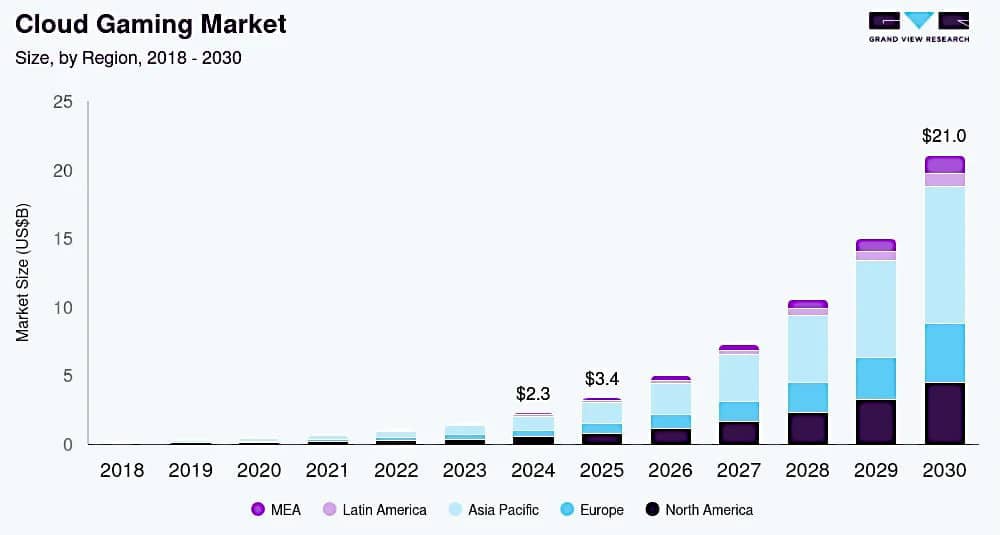
Getting Cloudy – Cloud gaming is just getting off the ground but is projected to have major growth because people don’t have to constantly upgrade for newer, better hardware to fully experience everything the game(s) have to offer.
Cloud gaming is just finding its footing but is rapidly gaining in popularity.
According to Jupiter, cloud gaming was “only” about a $2.3B market but it’s projected to reach $21B by 2030.
It’s a cost-effective means of enjoying gaming because you don’t need all of the expensive hardware to play.
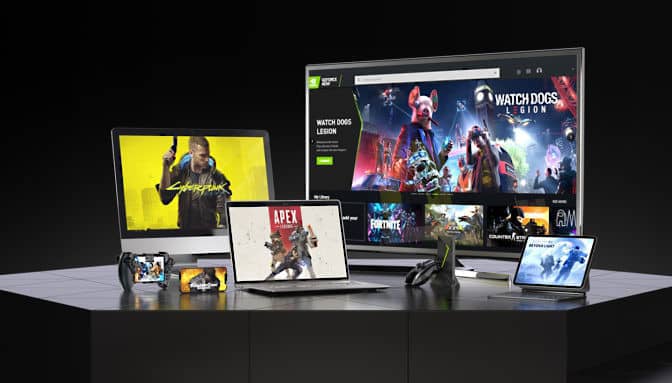
The leaders in the field include Nvidia GeForce Now, which already has an estimated 25M subscribers who take advantage of Nvidia’s powerful servers to stream games from folks like Stream to almost any device you can imagine.
While services like Xbox Cloud, PlayStation Plus, Amazon Luna and Steam are already well established in the marketplace, you’re also seeing growth of cloud play with YouTube, TikTok, Discord and others.
The cross-platform gameplay is just beginning to take off but the idea that you can play really powerful games on almost every device is building a strong and growing following among people young and old.
It sorta’ goes without saying that developers are taking advantage of AI to enhance gamer interest and keep them involved.
We’re told that AI is proving to be exceptionally beneficial to cloud gaming because it provides smoother performance, dynamic gameplay and an honest personalized experience while significantly improving backend efficiency aligning perfectly with the cloud’s dynamic infrastructure.
Cloud gaming allows developers to introduce new features and capabilities on the fly to keep the games fresh and new which obviously keep players involved and coming back for more.
Obviously, it also allows smart TV manufacturers an opportunity to make their big screens the central point of the household’s entertainment and smart home control center as well as a personal/family data collection point.
What can we say, they’re not altruistic about the stuff they do.
While we like to think that the entertainment industry revolves around movies/shows, the stark truth is that all of it (together) accounts for a mere $70-80B while games dominate the arena with sales of $130-180B, depending on what all you include. And while Beyonce, Bad Rabbit, Taylor Swift and their musical brethren make good livings with music, it only accounts for about $20-30B.
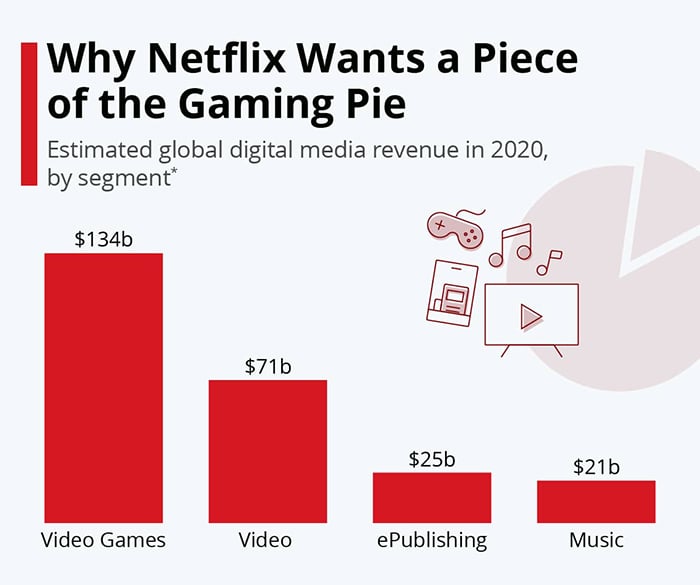
Big Growth – We may have a sweet spot for movies/shows, we resultantly understand that video games are the largest and fastest portion of the media & entertainment industry. And it regularly keeps people of all ages coming back for more.
It’s little wonder that Netflix moved into the video game industry a few years ago.
Sure, the TV set was invented to become the home entertainment center but face it, most of the time it sits in the corner looking big and dark.
Reed Hastings, Netflix’s former CEO, used to like to say sleep was their major competitor, but when it comes to screen time competition, the big competition is Fortnite, Minecraft, GTA, League of Legends and the growing number of games available on YouTube and the other social media platforms.
The more Netflix can be the first choice someone turns to for entertainment, the less likely they are to cancel the service. They simply expect to find whatever they want there. Yeah, it’s kinda’ selfish!
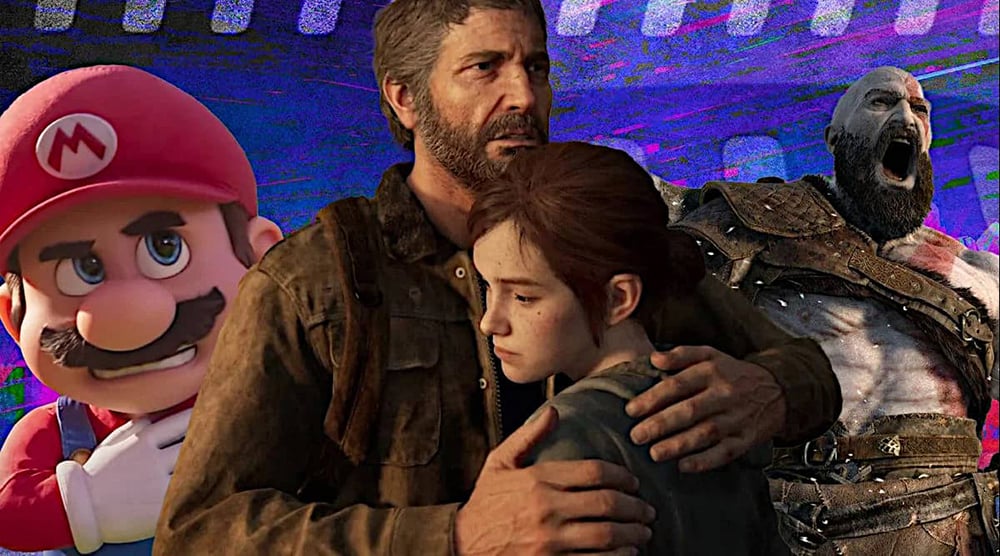
In addition, the ideas behind most of the movies/shows you watch are based on video game IP.
You know, Lara Croft: Tomb Raider, Resident Evil, Pokémon, Uncharted, Sonic the Hedgehog, Fallout, Super Mario Bros., Minecraft, Borderlands, Legend of Zelda, House of the Dead, Street Fighter, Silent Hill, and hundreds (thousands?) of international titles you can’t wait to watch and then see again.
And while Disney shuttered their Infinity Group years ago (2016), they have always been committed to the broader personal and family entertainment segment.
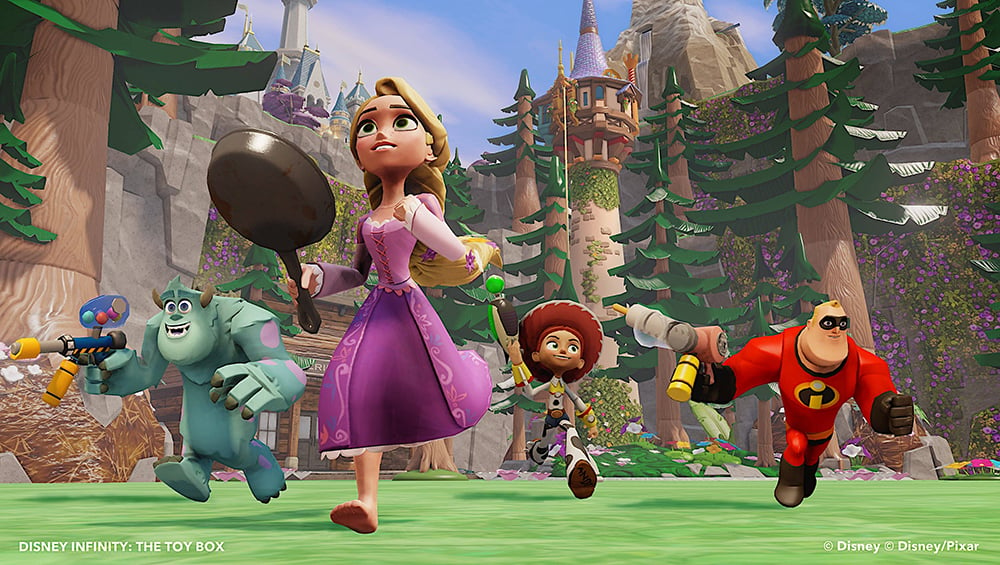
While Bob Iger struggled to reshape the Mouse House and make it super healthy before he passed off the management when he resigned last year, he and his team had been busy leveraging their IP portfolio with collaboration agreements with Epic Games, LEGO/Fortnite and others in the gaming industry while flushing out and reinforcing their Disney+ streaming activities.
In the meantime, Netflix has been busy developing new video game projects to capture more of the $435B market which is projected to grow more than 100 percent in the next five years.
Sure, it isn’t a shot in the dark – they know the IP, they know the attention/following it’s had, and they know the audience’s wants/interests, so they’re ahead of the game.
And, you have to admit, letting folks use their smartphone as a controller is a great way to set your games apart from Sony, MS, Stream and other locations.
Come on, who doesn’t have a smartphone?
Might as well put it to real use…
While our dedicated gaming friends tend to look down their noses at the projects they have initially introduced, Netflix Games paves a way forward for families who want a complete range of home streaming entertainment.
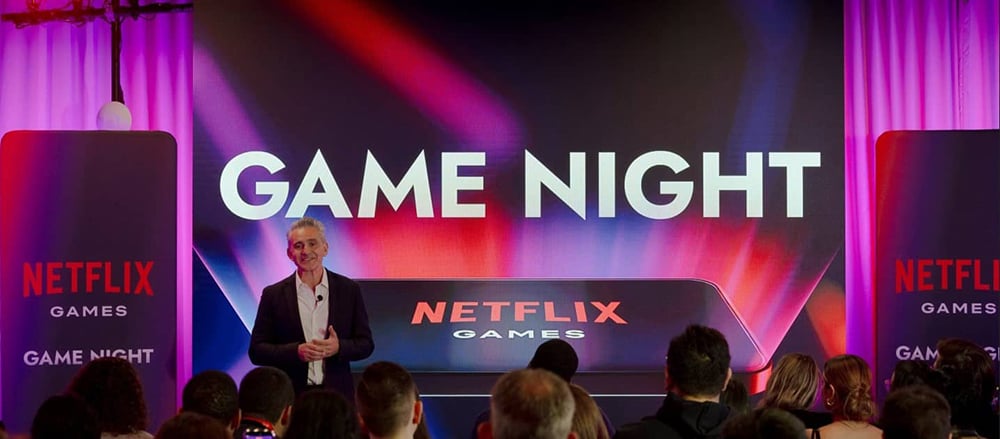
After all, they have the one important ingredient every content developer/producer wants and needs–data and a dash of AI.
The data helps them bring the right games to the market faster and at a lower development cost because they already have the design/delivery guardrails that will provide them with greater production efficiency.
The result is games that have more players being involved and longer playtime because of greater audience acceptance and the service’s enhanced stickiness (ability to acquire and retain streamers.)

While that translates into a richer player/viewer experience, it also means a significant reduction in churn for them.
In other words, when you and the kids go into the TV room and you say what do you want to watch/play, everyone raises their hand and says, “Let’s see what’s on Netflix.”
Because of all of the “noise” that is constantly flowing outside your home, you want to find a respite that meets Haymitch Abernathy’s comments in Hunger Games: Catching Fire, when he told the game participants, “From now on, your job is to be a distraction so people forget what the real problems are.”
Projects like Squid Game, Last Samurai Standing, Knives Out, KPop Demon Hunters, Red Dead Redemption, PAW Patrol Academy, WWE 2K25 and other projects that blur the lines of game/movie/show IP may not be the stuff serious gamers (or we) want to play but…it’s a strong move for normal folks.
Enjoying the news? Sign up for the Creative COW Newsletter!
Sign up for the Creative COW newsletter and get weekly updates on industry news, forum highlights, jobs, inspirational tutorials, tips, burning questions, and more! Receive bulletins from the largest, longest-running community dedicated to supporting professionals working in film, video, and audio.
Enter your email address, and your first and last name below!


Responses