

From focus puller to colourist

Ana María Ormaza shares her story of instinct, storytelling and finding a creative home at WeMakeColor.

You spent 17 years working as a focus puller before becoming a colourist. What first drew you into colour grading?
I originally wanted to become a cinematographer, but at that time it was a very male-dominated environment and it was difficult to take that path. I was looking for something creative and, during a visit to Germany, I met someone who introduced me to colour grading software. I completely fell in love with the idea of working with images in that way.
Later, a cinematographer I was working with bought a Baselight system and encouraged me to start grading. I knew nothing about colour grading at the time – I simply trusted my eye. I come from an artistic background, so I relied on instinct. Looking back now, I realise how lucky I was. In my first year I graded approximately ten feature films, and I’m still proud of that work today.
How has your experience as a focus puller influenced the way you approach colour?
It helped me enormously because I spent 17 years working alongside cinematographers. As a focus puller, you’re responsible for keeping the image sharp, but you’re also constantly watching how light is being used and how images are created.
That experience gave me a deep understanding of cinematography and helped me understand the most frequent problems on set. It also gave me a very strong technical foundation before I ever started grading.
Was there a moment when you realised colour grading was the career you wanted to pursue?
Not one particular project, but the first time I graded an image I felt something very emotional.
I’ve always loved painting, sculpture, photography and art. Colour grading felt like painting with moving images. You create something, step back and suddenly realise how much emotion an image can create. I fell in love with that feeling immediately.
The UP.GRADE programme in Berlin was an important milestone in your career. What did that experience give you?
It gave me confidence. Before UP.GRADE I relied a lot on intuition, but the programme gave me the technical knowledge to support that instinct. It helped me understand colour science, workflows and how the tools really work.
Just as importantly, I built a network of colourists from around the world. We still stay in touch today, sharing knowledge and supporting one another. That community has been incredibly valuable.
How would you describe your creative approach as a colourist?
Feature films are definitely where I feel most at home, although I also enjoy working on documentaries, series and commercials.
I don’t think I have one signature look because every project needs something different. My job is to understand what the story needs and adapt to that. Every film, every commercial and every director brings a different vision, and I enjoy finding the right visual language for each one.
What role does colour play in storytelling?
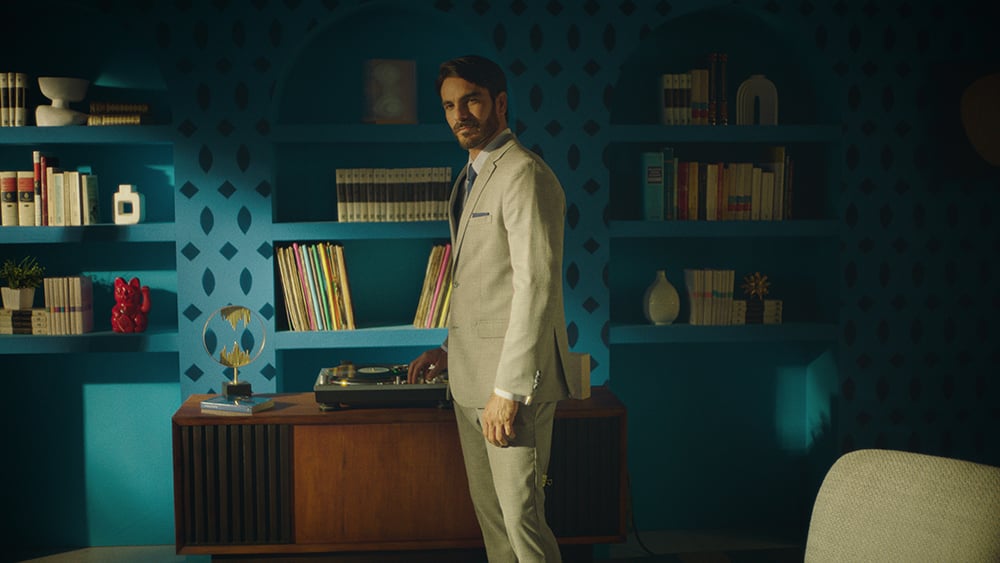
Colour is an incredibly powerful storytelling tool.
It can completely change the meaning of an image. It’s not only about making something beautiful – it’s about creating emotion. I think colour is just as important as sound when it comes to telling a story and influencing how audiences feel.
How do you like to collaborate with directors and cinematographers?
Whenever possible, I prefer working with people in the room.
Remote collaboration is very common now and the technology is excellent, but there’s something different about sitting beside a director or cinematographer. You understand each other much more easily, you can suggest ideas and have creative conversations that are harder to achieve remotely.
I really enjoy that creative dialogue.
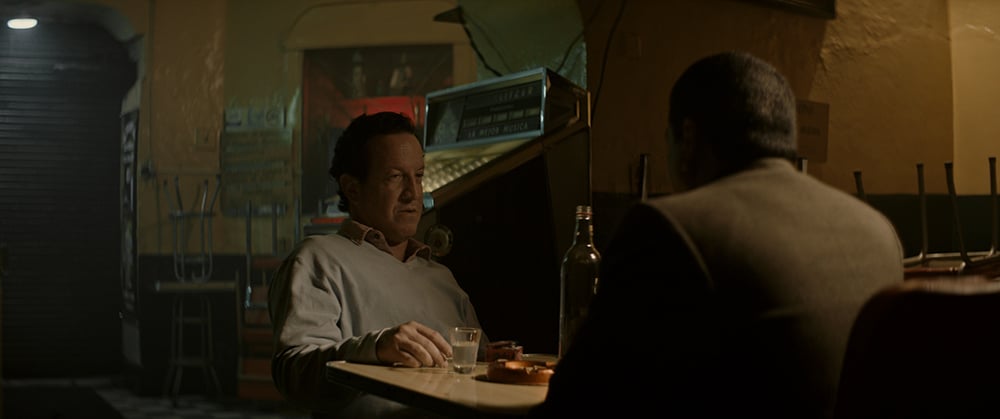
You work across Baselight, DaVinci Resolve and Nucoda. Is there a system you feel most comfortable with?
Baselight is definitely where I feel most comfortable.
I like that everything is integrated into one system. I prefer keeping my grading process simple, and Baselight gives me everything I need inside the software.
Since WeMakeColor upgraded its Baselight systems, I’ve been working almost exclusively on Baselight again.
You describe colour grading as quite a solitary profession. Has WeMakeColor changed that for you?
Very much. After completing the UP.GRADE programme I returned to Ecuador, but I felt there were limited opportunities to apply everything I had learned. Around that time I connected with Felipe Martínez and we started collaborating remotely.
Eventually he suggested I visit Mexico City, and so I finally moved there, and that completely changed my life. Through WeMakeColor I’ve had the opportunity to work on larger productions, collaborate internationally and continue growing as a colourist.
One of the things I value most is the culture of sharing. Colour grading can be a lonely profession, but at WeMakeColor we’re constantly learning from one another, exchanging ideas and supporting each other.
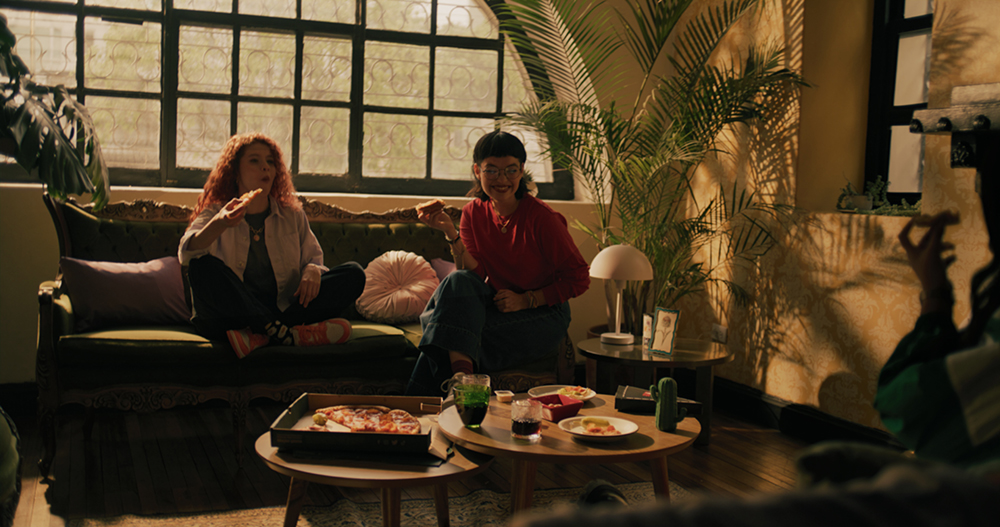
What projects are you working on now/next?
I just finished a collaboration with Felipe on a Netflix series, which was a great experience because we worked together as colourists throughout the project.
I’m currently finishing a Peruvian feature film called Jesus, which I’ve really enjoyed working on. Due to budget constraints, the entire project has been completed remotely, which has presented its own challenges. It’s been a valuable experience finding new ways to communicate effectively and ensure that, despite everyone viewing the images on different displays, we could work through those differences together and achieve the creative result we wanted.
I’m also preparing to start work on a new Ecuadorian feature film with WeMakeColor. Feature films remain my favourite projects because they allow me to become fully immersed in the storytelling.
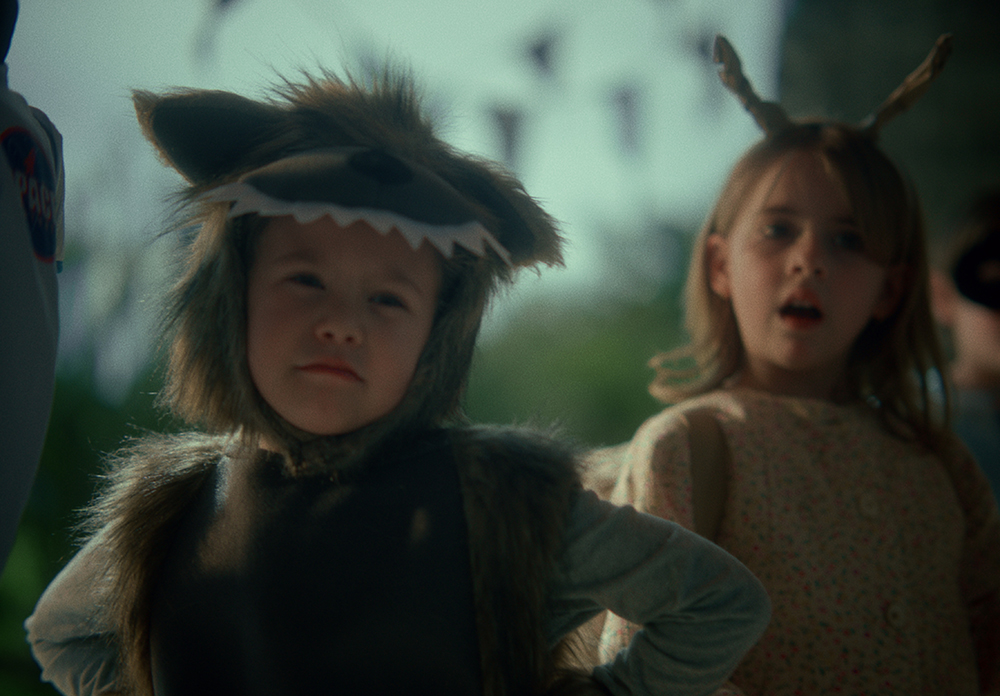
Finally, what still inspires you after all these years?
I simply like feeling connected and happy with the projects I work on. Having a good work environment is what I value most these days.
When I look at and grade an image, it evokes emotion in me and gives me a sense of purpose. That’s the best part of my job. That’s why I became a colourist, and it’s still what motivates me today.
Enjoying the news? Sign up for the Creative COW Newsletter!
Sign up for the Creative COW newsletter and get weekly updates on industry news, forum highlights, jobs, inspirational tutorials, tips, burning questions, and more! Receive bulletins from the largest, longest-running community dedicated to supporting professionals working in film, video, and audio.
Enter your email address, and your first and last name below!


Responses