

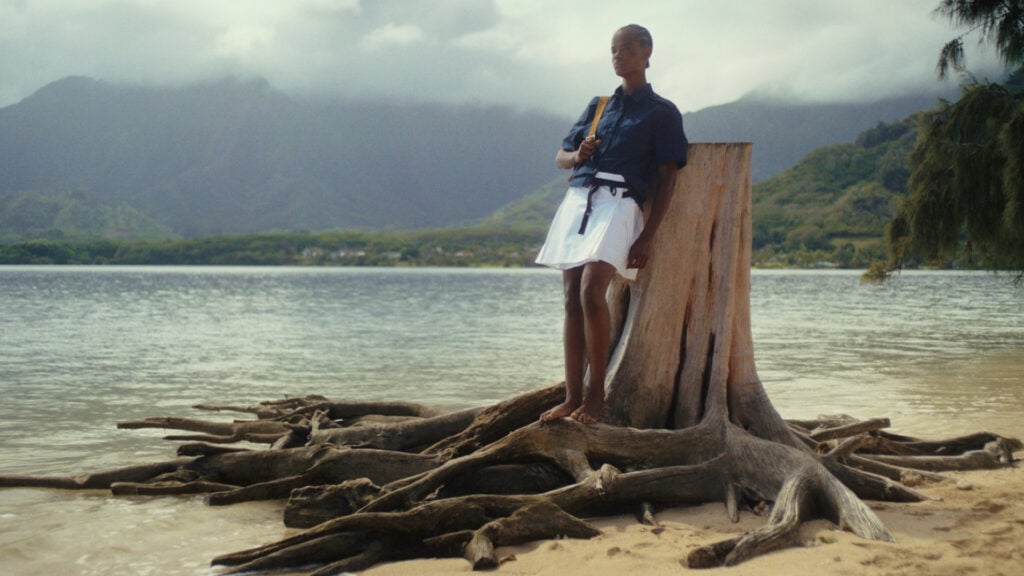
Documentary Meets Fashion with Matching 12K Sensors

DP Troy Edige matches sensors across documentary and fashion for National Geographic x Prada project
When DP Troy Edige travelled to Japan and Hawaii to shoot documentary films for Prada’s Sea Beyond ocean conservation initiative, he worked to a tight schedule with a small crew. Working with National Geographic Storyworks, Edige had to capture the authenticity of an observational documentary while meeting Prada’s elevated brand look.
His solution was a two camera setup featuring the Blackmagic URSA Cine 12K LF and Blackmagic PYXIS 12K digital film cameras, both sharing the same RGBW sensor technology.
The Sea Beyond program with UNESCO has evolved over five years, beginning with fabric made from recycled plastics and expanding into global education initiatives. This year’s films were centered on two stories: a Japanese foundation teaching children about ocean stewardship through hands on activities such as beach cleanups and a Hawaiian freshwater conservation program showing how waterways are connected to the ocean.
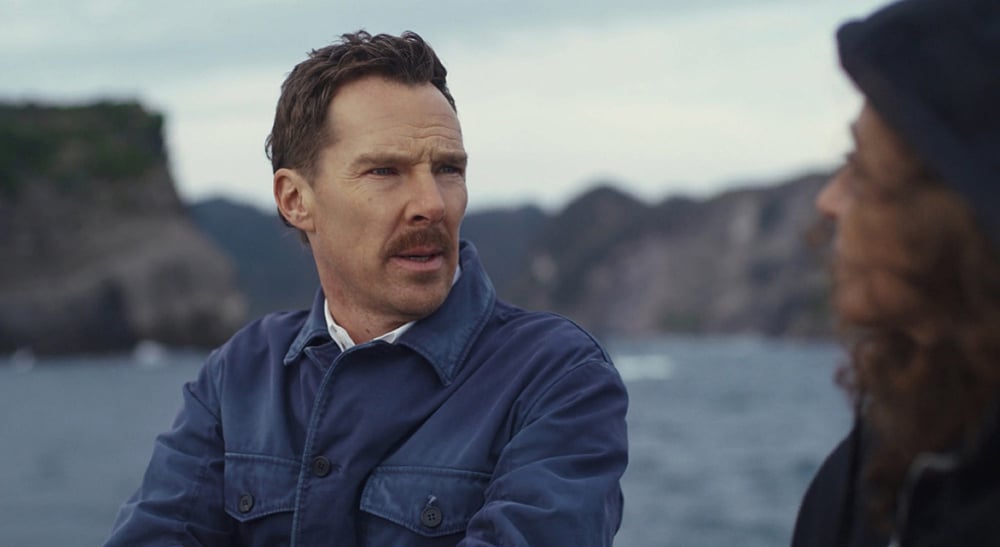
“We shot “Stewards of the Sea” in Japan’s Izu Peninsula and on the island of Oahu in Hawaii. Where previous episodes focused on urgent ocean issues and Prada’s Re-Nylon collection made from regenerated waste nylon, this year’s campaign celebrated the young people benefiting from the program’s support; the future custodians of the ocean,” said Edige.
Alongside the four minute hero films, the team also needed to deliver 15 and 30 second social pieces featuring Prada ambassadors Benedict Cumberbatch (in Japan) and Letitia Wright (in Hawaii), as well as Sea Beyond Ambassadors and students from key ocean education initiatives in Japan and Hawaii.
The expectation is always more elevated and closer to a fashion film, even though the core storytelling is documentary led, according to Edige. “You’re shooting true documentary, but everything still has to have that luxury brand world feel to it,” he noted. “We’d fly in, scout for a day, then shoot the next day with limited prep. Sometimes we had 90 minutes to capture a complete scene, including walk and talks, reverses, B roll, drone shots, all with a small crew.”
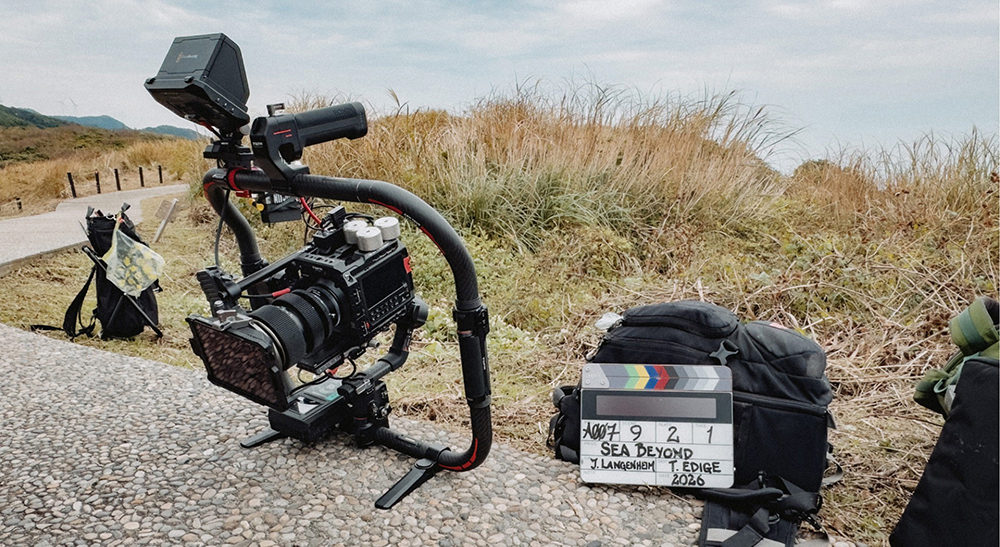
Edige has used the Blackmagic URSA Mini Pro 4.6K G2 for years as his documentary workhorse, valuing its cinema quality imaging in a practical form factor and upgrading his kit to include the URSA Cine 12K LF last year. However, it was the arrival of the PYXIS 12K just before this shoot that completed his ideal setup.
“The key thing was matching sensors across our A and B camera setup,” he said. “We actually ended up using the gimbal far more than expected due to the sheer amount of moving setups we had. I did not hesitate to grab the gimbal because I knew the footage would intercut cleanly. That freedom kept the focus entirely on storytelling.”
Asked what stood out in the footage, Edige pointed first to skin tones. “They’re incredibly natural with much more depth,” he noted. “Foliage was the other major test, with greens and yellows often hard to manage in uncontrolled documentary environments, showing dramatically improved separation.”
In the grade, the colorist was able to build a single color volume for the entire project rather than tweaking shot by shot, significantly improving post efficiency.
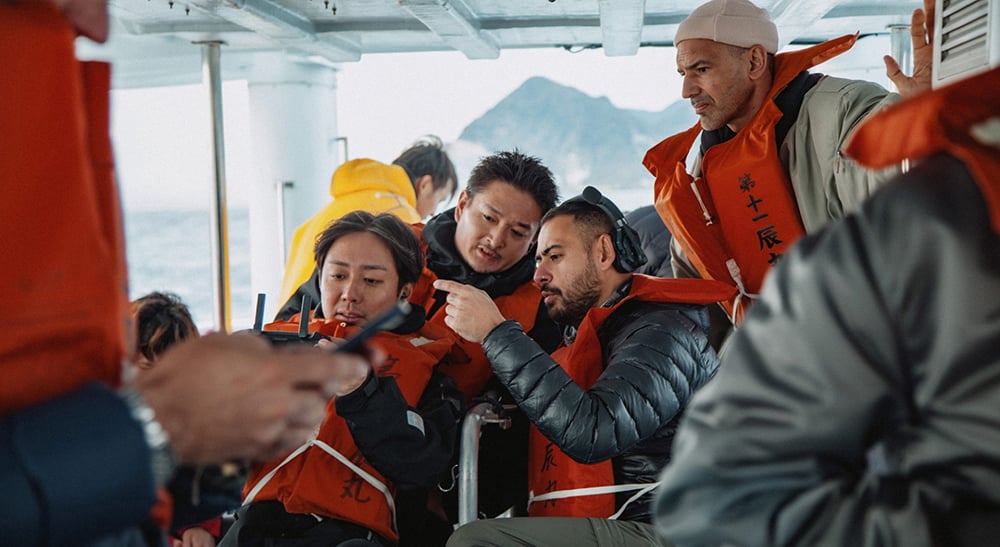
The production shot open gate at 8K in a 3:2 aspect ratio providing extra vertical height for social media formats. “I don’t frame with reframing in mind, I always capture the frame I want,” Edige said. “However, having that extra sensor area gives you flexibility in post without compromise.”
Edige acquired in Blackmagic RAW at 8:1 compression which made hours of documentary footage manageable, while internal proxy recording removed a step from the on location workflow. Offloads to SSD took about an hour per day.
The URSA Cine 12K LF and PYXIS 12K combination represents a sweet spot between cinematic quality and documentary usability, according to Edige.
“When shooting documentaries, I’m always moving and adjusting settings to suit the environment,” he concluded. “These cameras work for that and the PYXIS 12K let me stay on a gimbal without it feeling like a compromise. I don’t see myself changing this combination any time soon. I’m looking forward to trying the PYXIS 12K as an A camera.”
Enjoying the news? Sign up for the Creative COW Newsletter!
Sign up for the Creative COW newsletter and get weekly updates on industry news, forum highlights, jobs, inspirational tutorials, tips, burning questions, and more! Receive bulletins from the largest, longest-running community dedicated to supporting professionals working in film, video, and audio.
Enter your email address, and your first and last name below!


Responses