

AI Was a Major Factor in the Entertainment Industry Strike, but the Issue is Far from Settled

After months of negotiations, writers and actors got some guardrail protections from AI with their scripts and images, but much is still unknown about how this rapidly moving technology will impact film and television.
Actors control their own images, but not whether they will play with other AI-generated objects in a project. The protections actors and writers got were just the beginning of a big unknown for the future.
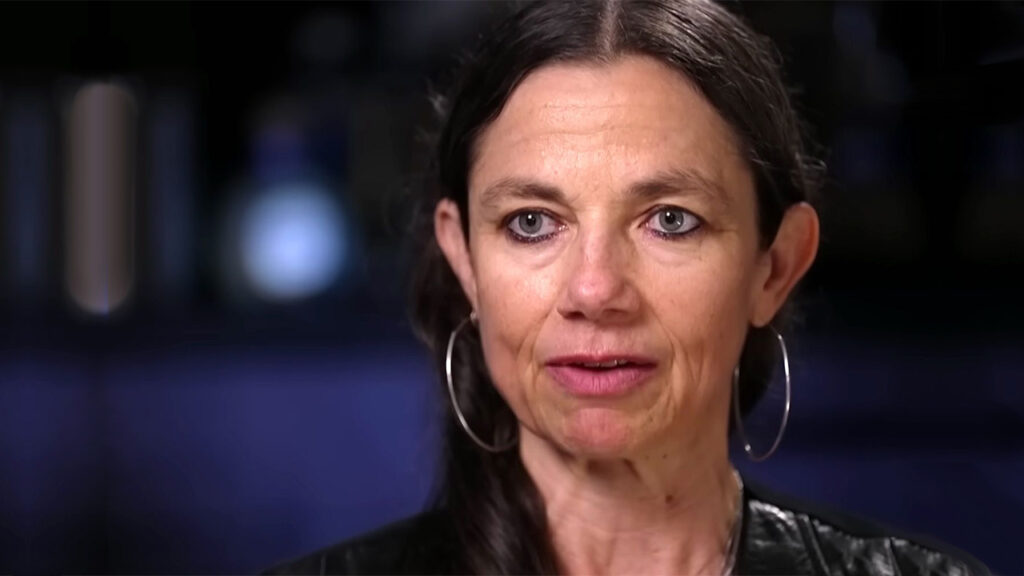
A voice to emerge in the AI debate is of former actress Justine Bateman, now a writer, director and former member of the SAG board. Bateman has studied AI extensively and has a computer science degree.

Making a wide range of media appearances, Bateman, who didn’t think the actor’s union went far enough in the negotiations, conducted an extensive interview with Deadline Hollywood (Deadline.com), the entertainment industry daily news publication.
Bateman has concerns with how the use of “synthetic performers” has the potential to replace living actors as well as how consent will (or won’t) be obtained to use digital replicas of real performers.
“I think generative AI is one of the worst ideas we’ve ever had in this society,” Bateman told Deadline. “The biggest issue is the ‘synthetic performers,’ which I just call human looking AI objects, because they’re not performers. Having that in there would be like if the Teamsters said that it’s okay to use self-driving trucks instead of them. Or, it would be like the DGA not having the definition of a director or any of the other positions being human, that you could have a director that’s just a generative AI base. It would be like the WGA saying it’s okay if chatGPT authors full scripts.
“Studio and streaming CEOs are looking at an opportunity to reduce the overhead of our human labor to such an extent that they’re paying a fraction of the cost to make these films and could possibly make the same amount in box office. To imagine that they’re not going to go for that is very naive. You always know what people are either already doing or are going to do by what they asked for in a negotiation.”
Bateman said actors used to audition against all the other actors that were their age and their type, that were available, that weren’t busy on another film. “It’s somewhat of a finite number of people, and it was hard to get a job already. Now, what’s going to happen to these actors is they’ll be competing against that group, and digital doubles of all the all the actors who are alive, who were busy or not.
“Maybe it’s a role for someone who’s 25 years old? Well, Tom Cruise can have a scan of himself and have a version of himself that’s 25. So no matter what the age of the actors who are alive right now, you’re competing against them, and you’re competing against 100 years worth of actors that their estates or the union gave permission — which that’s a crazy kind of concept.
“Anyway, you’re competing against all the dead actors, too, and you’re competing against an unlimited number of synthetic AI objects. So the percentage of jobs a human is going to have now are going to be much smaller than they were before.”
Bateman suggested actors, crew members, anybody — make as much money as you can the next two, three years. Seek out filmmakers who are doing human films and tell them you want to work with them. And like, hold on, because on the other side, after everything burns down, I think there’ll be a new genre in film.
“Something really new in the way that jazz was new, rock ‘n’ roll was new when they first started, or the flapper era. It wasn’t a throwback to something else. It was really new. So I think that’s what will happen, but it’ll be a pretty bad before that.”
As to how audiences will react for the change, “it’ll be a novelty for a while, and then I think people will start feeling sick about it. If you change the air that’s being pumped into a room and start reducing the oxygen slowly, slowly, slowly, people don’t realize what’s going on until they’re in a state where they desperately need oxygen.
“It seems to me that artists are a tube through which God, the universe, magic, whatever you want to call it, comes through into society. We’ve seen it, era after era, how things artists are doing change the course of things or reflect what is changing. It’s an important element in society. I think when you cut off that tube, you’re just doing this regurgitation of our past.
“We’ve already seen a lot of regurgitation of the 20th century, and we’re gonna see a lot more of that. It’s kind of like we’ve been doing AI by hand by doing all these reboots and sequels. Now, they’ll be able to do that much faster and much quicker. There will be a point where the audience will hunger for something that is real.
“I think it’s gonna get really ugly, but then there’s going to be something remarkable on the other side that probably couldn’t have happened without the fire. We’re gonna have Noah’s flood, but eventually, the bird is going to come back with the olive branch in his mouth, and we’re going to have something incredible.”
Enjoying the news? Sign up for the Creative COW Newsletter!
Sign up for the Creative COW newsletter and get weekly updates on industry news, forum highlights, jobs, inspirational tutorials, tips, burning questions, and more! Receive bulletins from the largest, longest-running community dedicated to supporting professionals working in film, video, and audio.
Enter your email address, and your first and last name below!


Responses