

Breaking Barriers: Advice from a female filmmaker

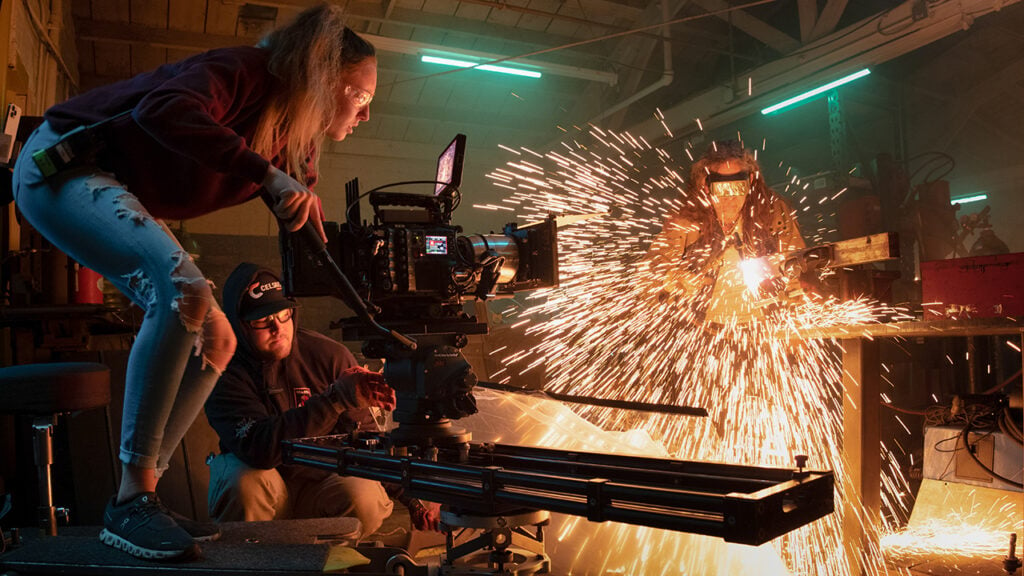
In a time of visual storytelling, a significant change is underway within the film industry. Women filmmakers are stepping into the spotlight, weaving narratives that captivate hearts and minds while reshaping the fabric of cinematic expression. Alissa Rooney, a gifted cinematographer based in the bustling heart of Los Angeles, has a passion for visual storytelling and the educating of future generations. Below, she talks about her rise in the industry and offers her best advice to budding Cinematographers.

Picture perfect.
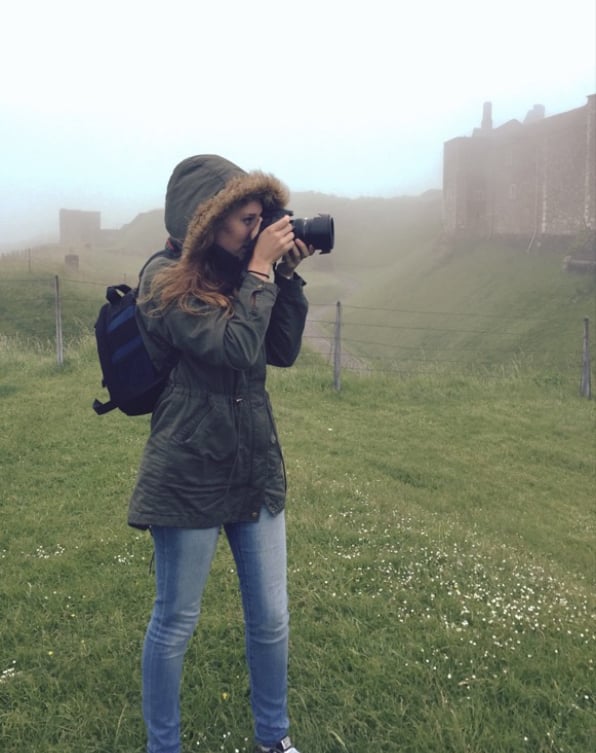
Alissa’s journey started with a fascination with cameras. She explains, “I got into photography when I was in middle school. I picked up a point and shoot camera that my mom had that we would use on family vacations. Instagram was just becoming popular, and I was forming an interest in photographing flowers.” Alissa’s passion for photography and crafting images started to blossom and grow. She adds, “I ended up taking darkroom in high school and college and learned more about the fundamentals of photography. This is where I really learned the foundations of how to capture an image.”
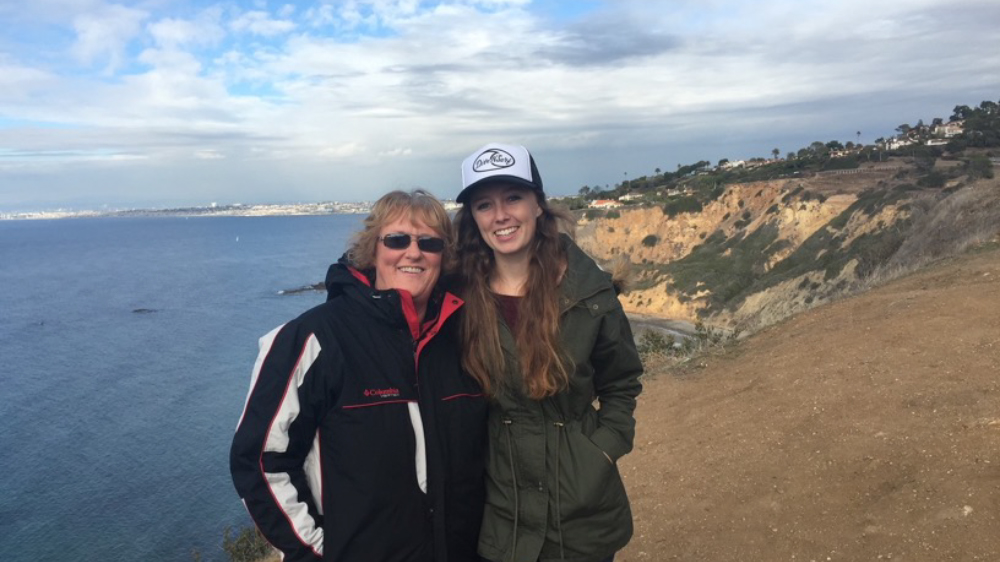
The road to Cinematography began at a young age, with visits to local sets. Alissa recalls “I grew up in LA and I remember during high school, my mom would take me on studio tours. We went to Paramount and Warner Brothers, and I found I had a fascination with that. My uncle worked at CBS Studios, and we would go to show tapings and sit in live audiences. I used to love watching the camera crew do their work, even more than watching the actors. It drew me into exploring that major in college.”
Alissa’s passion developed further in college, as she learned how the industry worked. She explains, “I found a place where I felt like I finally fit in and could see myself growing. This is where I became very ambitious. I would hop on bigger sets outside of school, learned how to build a network, and understood what needed to be done to become successful in this field. I found a career path and worked hard at it. I shot loads of projects, met many people outside of college and got a good internship. It was the perfect alignment of everything at once. This is around the time that I discovered my deep passion for cinematography.”
A pivotal time for women in film.
Men have historically dominated filmmaking. In recent times, more women are entering the industry and being recognized on the international stage. Alissa shares her experience of being a woman behind the camera. “It doesn’t normally cross my mind that I’m typically surrounded by men. I’ve been fortunate enough in my career to surround myself with a lot of men and women that support me fully, who build me up and ultimately improve our work in the long run. I was fortunate enough to start my journey in this industry at a pivotal time for women. There are so many that have gone before me to pave a path for me to do this job with little resistance, and I’m very grateful. There is still so much work to be done, but I don’t think of being a female cinematographer as a burden or barrier. I think of it as an exciting challenge for myself and for many to come after me who get to chart fresh territory and tell impactful stories with different perspectives.”
“I’m very lucky to get to say this, and I know it is not everyone’s experience. I have not felt as though I’ve needed to try harder just because of my gender. I’ve always just focused on putting 100% into my work, learned where my weak spots are and worked to fill those gaps through reading, videos and coffee meetups. I constantly remind myself to treat everyone with the same kindness, respect, and generosity no matter the role on set.”

Inspirational women.
Having strong women role models has helped Alissa with her career progression. She adds, “my mom and my grandmother have always been my greatest supports. They taught me not only how to be diligent, hardworking, a strong leader but also how to be kind, empathetic, and caring. All those characteristics go hand in hand with the role of a cinematographer. They have been an immense support in my pursuit of cinematography, always encouraging me every step of the way.”
Aside from Alissa’s strong family support, seeing women breaking new ground is both inspirational and motivational. The Greta Gerwig directed summer blockbuster ‘Barbie,’ is the highest-grossing movie directed by a woman in US box-office history. Barriers are continuing to be broken in an industry that men have traditionally dominated, Alissa explains, “I am extremely proud of Greta and everything she’s accomplished. She continues to grow as a major role model for women looking to enter the entertainment industry. She is always very methodical in her choice of films and always seems to inspire me with every story she tells. I’m so excited to continue to follow her career. I think she’s making major leaps for women in the industry, like Rachel Morrison getting the Best Cinematography nomination a few years ago. They are breaking barriers and it’s so important for the future of female filmmakers.
No compromising on cinema equipment.
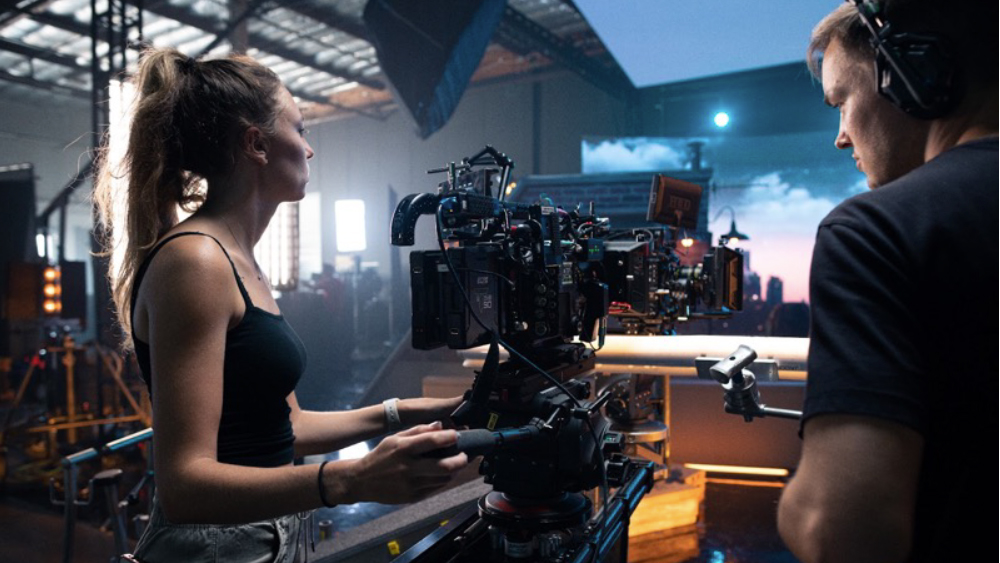
Filmmaking brings about many technical challenges that require precision and little room for failure. Alissa explains the need for equipment that matches up to the rigors of set life “On every project we shoot on OConnor supports and use Anton/Bauer batteries, because those are the industry standard, they can take a beating and still maintain their reliability.” Alissa explains why there can be no compromising with gear on bigger sets, “When you’re shooting high end productions, where a lot of money is being spent and many careers are on the line, It’s important for those types of projects to have extremely reliable products to get you through your day. You can be shooting in the mountains in seven-degree temperatures or out in the desert in 115-degree heat and you have to rely on the equipment to make it through these tough environments and still function properly. You can’t have tripods malfunctioning and batteries that quit working. There are little to no excuses at this level of production.”

Anton/Bauer batteries are engineered to work in the toughest of environments supporting cinematographers shooting in high-pressure environments. Alissa explains “I was at Sundance earlier this year with Anton/Bauer batteries and we were in extremely cold climates at the festival, the camera and the batteries and everything else that we had worked perfectly. You’re able to trust the higher end gear, and really push it to its limits. It’s crucial to have the best gear on a project.”
Cinematography advice.
Alissa explains her top tips for aspiring filmmakers…
– Make More mistakes.
“My biggest piece of advice would be to make more mistakes in school. This is your primary chance to experiment with lighting styles, camera movement, and storytelling skills in a safe environment. Don’t waste that once in a lifetime opportunity! I had major impostor syndrome in school. Every time I would come out with a successful project, I would think that it was pure luck. I was just trying to survive every project and do everything in my power to not make it look bad, meaning I was always playing things safe to keep myself from failing. Ultimately, school is your space to learn and make those mistakes, because as soon as you graduate, what you make, how you present yourself, and how you choose to treat others counts even more. Use your schooling to learn what you like, what you don’t like, who you are, how to lead, and ultimately, how to tell a good story.”
– Practice with lighting.
“Because of my background in photography, I was decent at recognizing good natural light, but because of my lack of practice in school, I didn’t know the best way to go about producing it synthetically. I will always stress for cinematographers in school to practice their lighting skills as much as possible. Learn how to communicate effectively with a gaffer and a key grip about your desired lighting preferences, including knowledge of different brands, types of sources, and quality of light. I relied more on natural light or rare and minimal lighting in school, whereas now in the industry, we spend a lot of money on big grip and electric trucks because we typically have to create most of the light that is seen on camera. It’s been a journey over the last few years, learning and getting a masterclass in lighting on the job. I’ve been very fortunate to have amazing crews who have taught me insane amounts about lighting. Had I taken the time in school to really hone in on these skills instead of focusing so much on the camera knowledge I would definitely be even farther along and I wouldn’t have had such a large learning curve on my projects over the last few years. It all worked out in the end but save yourself the headache and practice in a safe space where you can learn from your mistakes!”
Respect, support, and care.
In Alissa’s career to date, she’s been supported by a crew that works together respectfully, to get the job done. She explains, “I’ve had so many crew members teach me so much of what they know. They make me a better DP and a better human by leading with respect and a good work ethic. It’s about us getting a job done and getting to enjoy doing it together as we learn and grow from each project. I surround myself with people that respect, support, and care about me, and I cannot thank them enough for teaching me an exorbitant amount of knowledge on every project we take on. Cinematography can be one of the most rewarding things you will ever get to do if you’re really passionate about it.”
“I want to be proud of making it in the industry for the hard work that I’ve put into my craft. I believe that can be done through knowing your technical knowledge inside and out, surrounding yourself with crew who will be there to support you and the project no matter what, and giving people the respect, they deserve, regardless of their position on set. Always lead your team with respect, grace, and kindness. Though many will still be faced with gender-based challenges despite doing all of these things, I believe this still gives people a healthy place to start.”
Enjoying this article? Sign up for the Creative COW Newsletter!
Sign up for the Creative COW newsletter and get weekly updates on industry news, forum highlights, jobs, inspirational tutorials, tips, burning questions, and more! Receive bulletins from the largest, longest-running community dedicated to supporting professionals working in film, video, and audio.
Enter your email address, and your first and last name below!

Responses