

Theaters, Streamers Need to Join Forces

“Movies are dreams that you never forget.” – Mitzi Fabelman, “The Fabelmans,” Amblin Entertainment, 2022
Several months ago Barry Diller, former Hollywood studio chief, observed that the industry that grew up telling stories to people was broken.
No kidding?
Everyone recognizes it.
We all know whose fault it is … the other guy.

How do we fix it?
They have to change.
Folks, we’re not going back to pre-streaming (2007).
We’re not even going back to pre-pandemic.
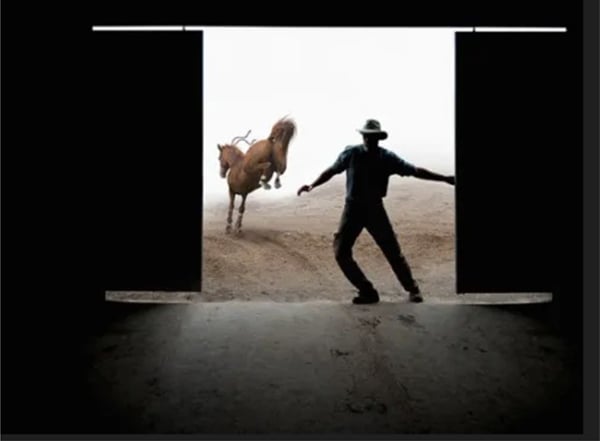
That horse has left the barn.
The video entertainment industry (movies/shows) is a big industry.
Film data researcher Stephen Follows noted that over the two decades prior to the pandemic more than 37,472 feature films were made in the U.S and only about 6 percent of them were released by the “Made-in-Hollywood” studios.
Roughly 94 percent of the projects were independent films but nine out of ten never saw a theatrical release and probably weren’t profitable.
Erring on the side of caution, three times that that number were produced around the globe.
It is true that streaming services may have dealt a fatal blow to pay TV or as FX boss John Landgraf calls it, peak TV.
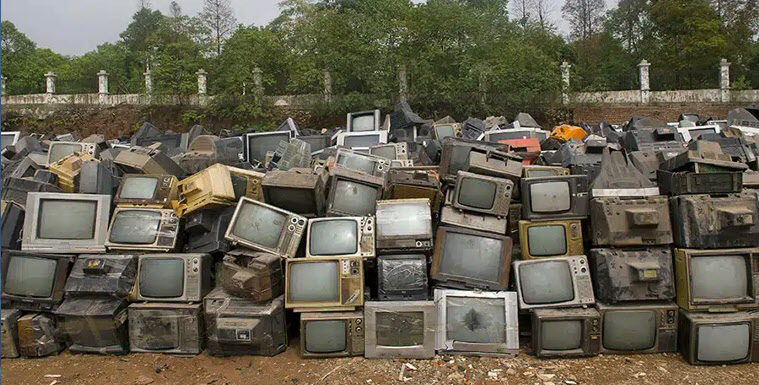
It had a good run while it lasted.
It provided a ton of jobs for writers, actors, backlot and production folks who created mindless and good shows/movies for people to consume at home.
All they had to do was block out a specific day/time to watch the “entertainment” sandwiched in and around 15-20 minutes of ads per hour.
The cost was a steadily increasing service bundle fee that for us, finally tapped out at $125/mo.
Even though you only watched content on two to four of the channels during the year, they did offer you 800+ channels so it was a helluva deal … until it wasn’t.
The entertainment establishment likes to say that Netflix and Amazon revolutionized the 100-year-old industry, but they overlook the fact that TV folks were the first to offer internet-based streaming entertainment with Hulu.
The two tech companies were just a little bit more committed to giving folks everywhere reasonably priced access to new, unique shows/movies when they wanted, where they wanted and how they wanted.
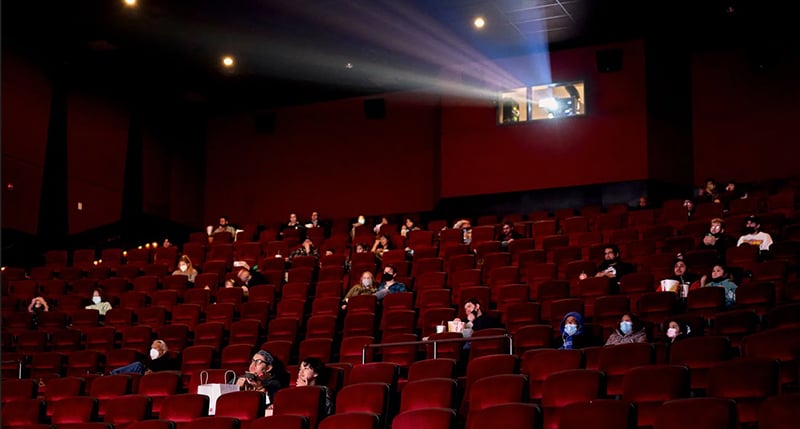
Natural Order – Neither streaming nor the pandemic ruined movie house ticket sales. They’ve been going down for years and the same old ways of doing things won’t work anymore.
Theater and Wall Street analysts like to say that streamers, along with an ill-timed pandemic, crippled the movie theater industry but it’s bouncing back.
Theaters were in trouble long before the pandemic and comparing the recovery to 2019 ticket sales is ridiculous.
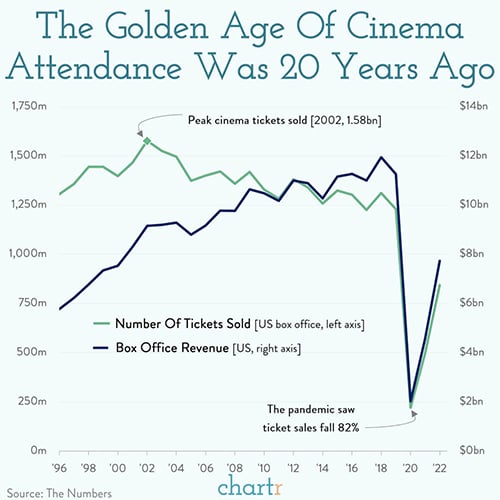
Ticket sales have shown a steady decline since 2002. Growth has come from inflation-driven price increases.
Sure, the success of this year’s budget-busting projects can’t be denied but massive movies like Avatar: The Way of Water, Top Gun: Maverick, Barbie, Oppenheimer, M:I7, and John Wick 4 aren’t the forecast of a great box office recovery. It’s more like a reminder of what a healthy movie industry should look like.
We tend to overlook the fact that these tentpoles are built on a major budget.
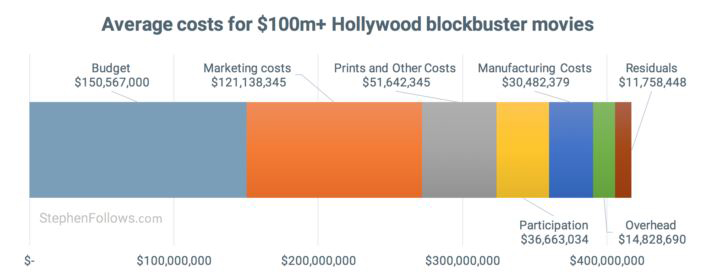
Matching Funds – The film industry has long known that the belief that if you make it, they will come doesn’t really work. Whether it’s a micro-budget or blockbuster project, content owners spend heavily to build interest and an audience.
More importantly, they require a significant marketing investment to build up awareness and whip up excitement to see the “Big Movie” while it’s in the theater.
The result is that studios can only afford to produce a few blockbuster projects, cross their fingers and hope they’ll return a decent profit to justify executive salaries.
From the beginning of the subscription rush, Wall Street pressured studios to spend billions of dollars on content as a show of strength while chasing subscribers. But that was okay – up until the strike – because networks and studios had joined the rush to the streaming world while falling all over themselves to find new, different content to monthly/weekly add to their library to make their subscriptions numbers grow like the tech companies.
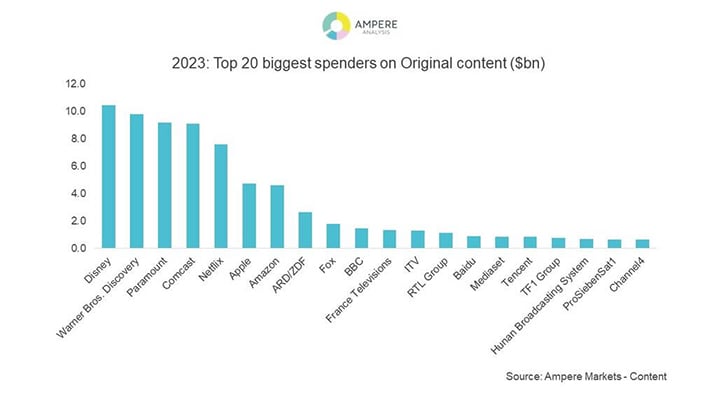
The whole idea was to capture a dominant share of the subscription video market which is projected to reach $322B by 2030 according to MIDia Research, an increase of 145 percent over this year.
Wall Street told the studios/networks they wanted to see growth at any cost.
WBD was driven by innovation.
They changed the name of HBO to HBO Max to Max.
They whacked staff and projects.
They moved their entire slate of films to HBO Max. Then, after an expensive period, they decided they would return to the theaters, first building their streaming library around unscripted reality TV, their preexisting library and proven franchises.
With entertainment powerhouse Bob Iger back at the helm, he said the subscription growth at all costs might have been a mistake.
He cut staff, realigned organizational responsibilities, strengthened ties with Hulu and began considering shedding some under-producing, non-core activities.
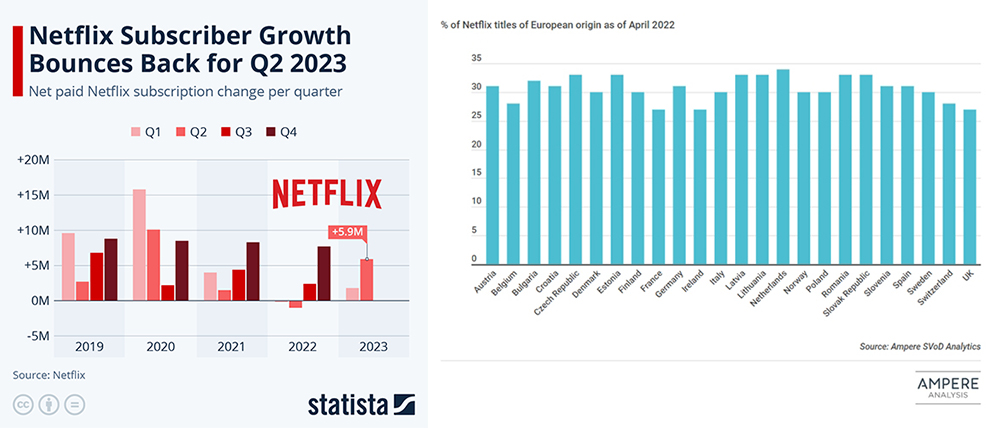
Co-CEO Ted Sandaros and his new partner Greg Peters made a shift Wall Street was sure would fail. They clamped down on password sharing, reluctantly added a low-cost ad tier and expanded the company’s international content development/acquisition activity.
The result was a profitable (still) increase of 5.9 M subscribers, the addition of $1.5B to its ledger (targeted for content development/acquisition when the WGA/SAG-AFTRA agreement is reached), a solid backlog of new films/shows for “measured” release and an ad tier they cautioned will take time to develop.
Fellow tech firms Amazon and Apple continue to invest in international content and subscription growth.
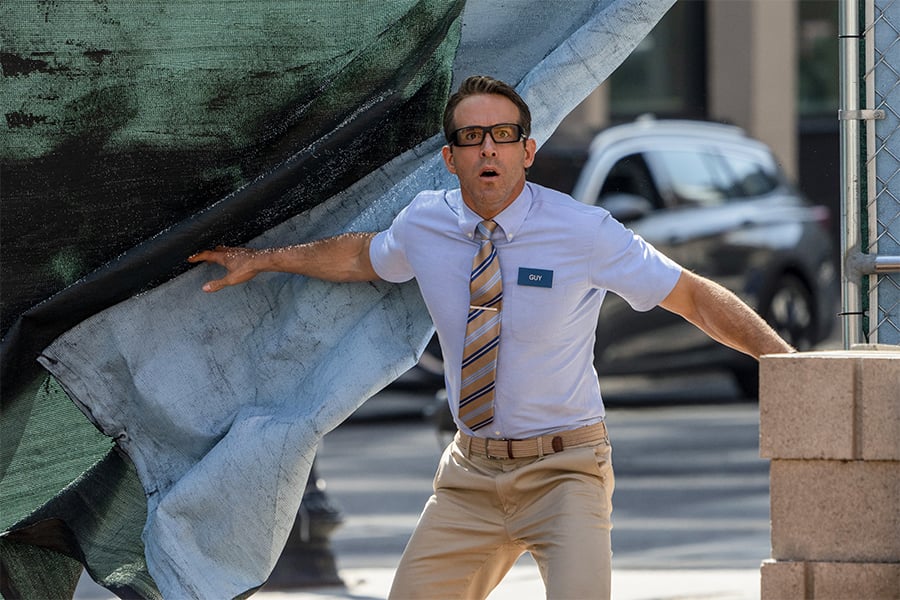
Whole World – “Normal” folks have always known there is a whole beautiful, interesting world outside of Hollywood where people create really interesting stuff. Global streaming leaders have made it possible for people everywhere to enjoy new, different, exciting content.
But … it’s time for a change that will benefit content creators, producers, production teams and viewers.
Great content is great content, no matter where it originates or where it is seen. Great content can travel.
Netflix internationally produced films like Dream, Maanannan, Gumraah, The Kings of the World, and others that could have attracted a meaningful/modest theater audience.
Apple TV’s Coda (earning an Oscar), Killers of the Flower Moon, Napoleon did/will draw seats into seats and subscribers to their service.
Warner Bros. boss David Zaslav learned an expensive lesson in 2020 that moving expensive films straight to streaming provided a slight uptick in subscribers but cost millions in lost revenues.
Jurassic World Dominion, Top Gun 2, RRR, Doctor Strange in the Multiverse of Madness, The Wandering Earth, The 800, The Bad Guys, Uncharted and films from Universal, Sony and other “pure” motion picture studios dedicated their first born to the cinema house.
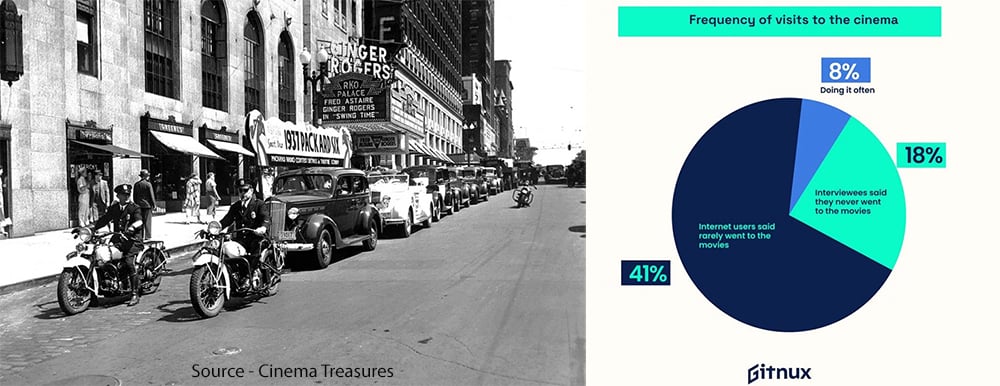
But the world/the industry changed and evolved to give people around the globe choices.
Yes, there are directors and actors who feel that the only way to really see and enjoy a film is in a big dark room with immersive sound, surrounded by 100 or so not-so-perfect strangers.
And at times, they are right.
The first Avatar, Jurassic World and Top Gun were breathtaking on the big screen.
They were also good (satisfying) when we saw them on our large home screen.
One was even decent when we watched it – again – flying over the Pacific.
The screen and surroundings did not enhance or diminish our enjoyment.
Seeing Black Panther, CODA and Everything, Everywhere, All at Once at home for the first time didn’t make them any less worthy of their awards.
But … the time has come for the industry to work in concert.
NATO (National Association of Theater Owners) and the nearly 200,000 cinema screens around the globe need a steady stream of unique, quality movies on their screens to put seats into seats.
Streamers need a steady flow of solid marketing to attract/retain subscribers.
They should negotiate a theatrical window that fits the film (budget) and anticipated level of audience interest as well as the distributors’ audience/marketing objectives.
Most of the films will only support a 10–30-day window. Others will support 45-day windows. But beyond that, the horse has also left the barn.
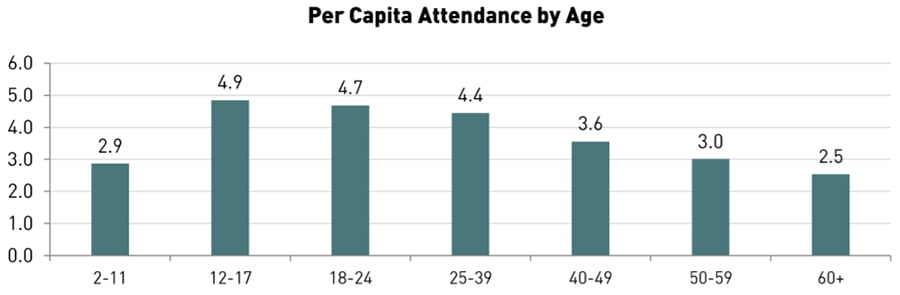
Prime Seats – Gen Zers and Millennials are most likely to want to enjoy a film first in a theater and then rewatch it at home. That means tailoring marketing messages in the media they use most often.
Gen Zs are most likely to watch a movie but with the right marketing message(s), it’s possible to get Millennial, Gen X and even Boomer seats in seats.
So, what’s in it for the streamers?
Okay, the streamer is only going to collect 50-55 percent of the ticket sales and none of the concession income but you’re going to market the project anyway, right? So that’s something.

More importantly, reviews and social media buzz can create an upswell of interest in seeing the film across all generations which can translate into added/continued interest in the service’s film/show lineup of content.
Gen Z adults were most likely to say they would rather watch movies in a theater, with 50 percent saying so, compared with 35 percent of Millennials, 40 percent of Gen Xers and 35 percent of Baby Boomers.
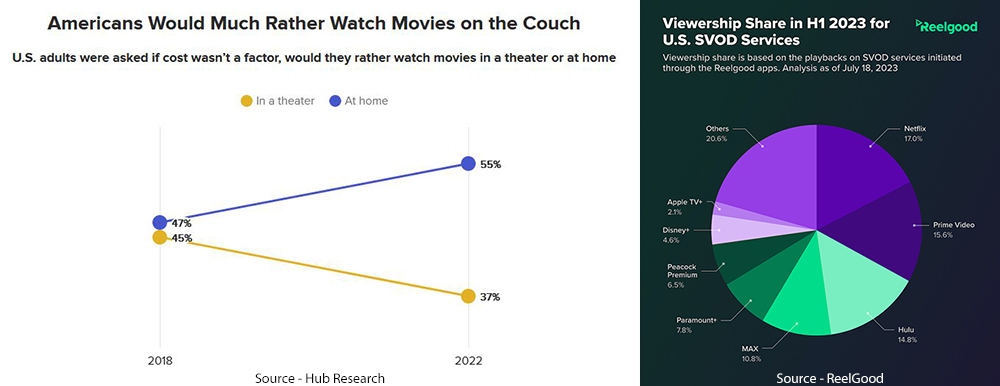
The publicity and word of mouth can interest, attract subscribers/viewers who wouldn’t go to the movie house, so the theatrical window becomes an efficient and cost-effective method of reaching/retaining subscribers.
The dual distribution helps maintain a healthy cinema arena and strengthens streamers’ image as a deliverer of quality/unique content to the consumer where/when she/he wants to enjoy it.
Incidentally, the theatrical time period also provides a buffer window before video pirates steal the content from the internet stream and begins offering it to their “viewers” along with the added malware features they add … at no cost.
But most important, it allows the video consumer to decide where they want to experience the new project … and it provides movie theaters a lifeline. Who knows, award committees might take streaming movies more seriously and evaluate a film on its merits rather than where people decide they want to watch it.

Audiences want good/great movies now more than ever before. Some are willing, even anxious to head back to theaters and experience them surrounded by strangers. Others would rather have the convenience of curling up on their own couch, with their own popcorn and share it with others at home.
Recognizing, anticipating and responding to the changing entertainment interests will benefit everyone–including the person in the seat, or couch.
It will only validate that Mitzi Fabelman was right when she said, “Everything happens for a reason.”
More importantly, writers, directors, actors, backlog crews, production people (and her son) will be able to do what they want to do … entertain folks.
Enjoying the news? Sign up for the Creative COW Newsletter!
Sign up for the Creative COW newsletter and get weekly updates on industry news, forum highlights, jobs, inspirational tutorials, tips, burning questions, and more! Receive bulletins from the largest, longest-running community dedicated to supporting professionals working in film, video, and audio.
Enter your email address, and your first and last name below!

Responses