

The Impact of the Writers/Actors Strike on the Post Production Industry

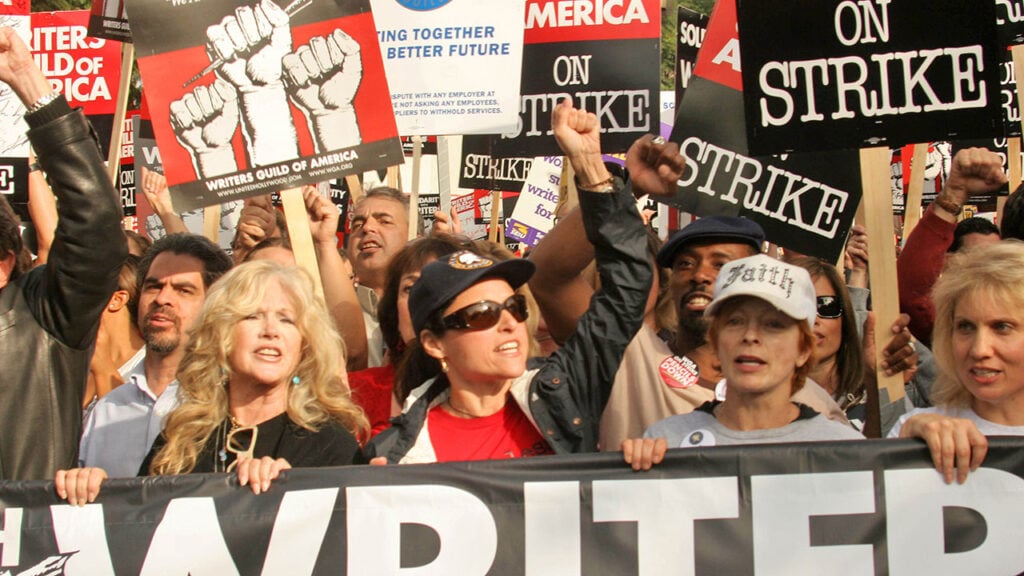
The current SAG and WGA strikes have brought film and television production to a screeching halt. Much has been written about the strike’s effect on studios, actors, and writers. The media has also reported on award shows and festivals facing canceled celebrity appearances. But little has been said about the impact of the shutdown on the small and mid-sized companies and skilled professionals who make up the Post Production Industry.

Post-production professionals and companies facilitate picture editorial, sound editorial, music editorial, visual effects and color timing. Without an editor assembling a coherent cut, an actor’s performance would have no context. Without visual effects creating imaginary worlds and fixing anachronisms, the narrative would make little sense and look unappealing. If you have ever stayed in a theater through the end credits—first, thank you—you’ve surely noticed the hundreds of artists it took to produce those magical two + hours.

The strikes are impacting every sector of the entertainment industry, and the cost to post production is acute. A visual effects company that signs a contract to produce VFX for a new show may hire 100 artists. But, if the cameras stop rolling, the VFX house, working with very small margins, will be unable to retain those artists. The same is true for sound and picture editors, colorists, mixers, finishing artists, post-production supervisors and a host of other specialists and all the facilities housing them.
During the pandemic, the delivery of entertainment was also threatened but was saved by post production innovations. Facilities developed novel ways to provide services remotely, in many cases changing their business models overnight. Sound and picture editors turned their bedrooms into cutting rooms. New movies and TV shows kept coming to theaters and television sets, because post production talent finished them.
This is not a pandemic. If the strikes continue for several more weeks, post production companies will have to furlough workers. If it drags on for months, people who have devoted years to developing their craft will have to transition into other industries. Companies will find it impossible to keep their leases in city centers. The liquidity required for payroll will not be there, and doors will close.
The strike WILL end. Studios will resume developing new projects. Scripts will be written. Actors will turn in performances. But if post-production companies no longer exist, how will these projects be completed? The post industry urges an immediate resolution to these disputes. Our companies and careers are under an existential threat; and if we are gone, there is no entertainment industry.
How have the current SAG and WGA strikes affected you?
Enjoying the news? Sign up for the Creative COW Newsletter!
Sign up for the Creative COW newsletter and get weekly updates on industry news, forum highlights, jobs, inspirational tutorials, tips, burning questions, and more! Receive bulletins from the largest, longest-running community dedicated to supporting professionals working in film, video, and audio.
Enter your email address, and your first and last name below!

Responses