

Safety in Filmmaking: When Should Body Cameras Be Used on Set?

Introduction
As filmmaking becomes increasingly sophisticated, so too do the safety protocols and considerations that must be taken when shooting on location. One of those safety considerations is the use of body cameras on set to monitor the activity of cast and crew members.
While body cameras can provide invaluable footage for later review, there are a number of factors that should be taken into account when making the decision to use them on set. In this article, we will discuss when body cameras should be used in filmmaking and the various considerations that go into making that decision.

Benefits of Body Cameras
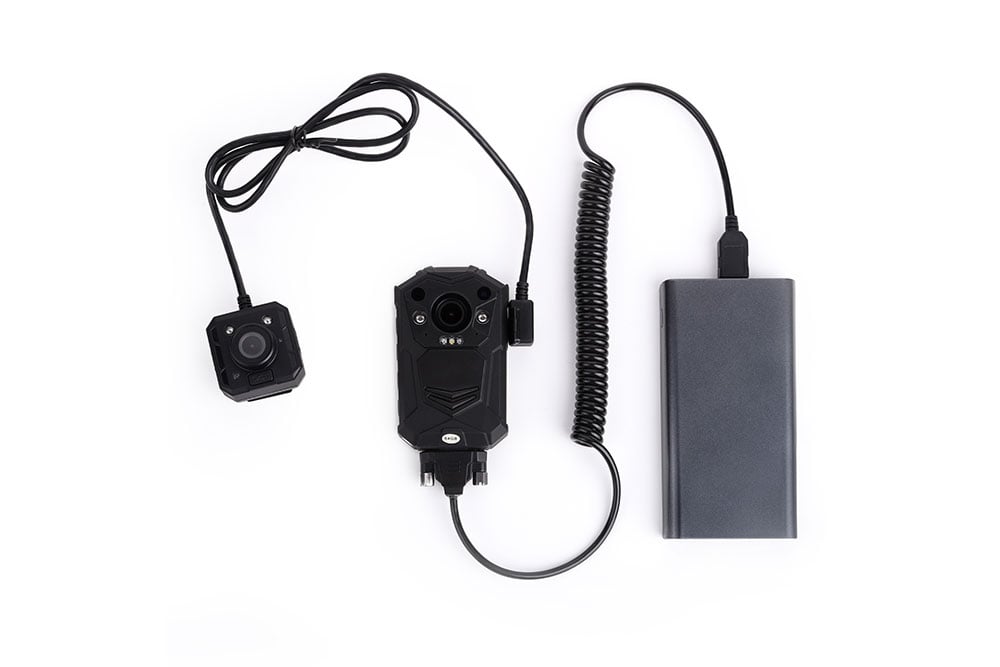
Body cameras can provide a number of benefits both during production and afterwards in post-production. During filming, they can help to monitor the activity of cast and crew members to ensure that everyone is following the safety protocols in place. This can help to prevent accidents from occurring and provide valuable footage for review if something does happen.
After production, the footage gathered by body cameras can be used to create a more detailed record of how a scene was shot, which can make it easier when editing and reviewing takes later on. Additionally, should any legal issues arise, the footage can be used as evidence in court.
When to Use Body Cameras
Body cameras should be used whenever safety protocols are deemed necessary or when a scene requires complex choreography with multiple cast and crew members involved. If a scene involves stunt work or dangerous activities, body cameras can provide crucial information about what happened during the shooting.
The Safe Use of Weaponry on Set
When it comes to the safe handling and use of weaponry on set, there are certain rules that must be followed. In the past, this responsibility was typically left up to the production’s prop master(s). However, as weapons become more specialized, it is now common for an ‘armourer’ or ‘weapons master’ to handle them instead.
According to guidelines set out by the Actors’ Equity Association in the US, these professionals should always test fire a gun offstage first before anyone else uses it. Additionally, they should check all cylinders and barrels beforehand to make sure no foreign objects or dummy bullets have gotten lodged inside. By taking these precautionary steps prior to using any type of weapon on set, everyone can ensure their safety while still having fun with whatever project they are working on.
This procedure was apparently not in place during the filming of ‘Rust’, however, tragedy struck when a live round was discharged from a prop revolver held by actor Alec Baldwin, fatally wounding cinematographer Halyna Hutchins and injuring director Joel Souza.
Santa Fe Sheriff’s office dashcam and bodycam footage documented the shocking events. In the footage, police officers are seen approaching a bewildered Alec Baldwin as paramedics desperately attempted to revive Hutchins.
The American film and television industries need to implement more stringent and legally mandated safety protocols in order to protect cast and crew members. It is not enough to simply have guidelines that can be ignored when it is inconvenient; there must be accountability from all parties. To ensure that these standards are abided by, body cameras could be worn by directors, weapons masters and other personnel to show that they are following the stringent safety protocols.
Stunt Work & Dangerous Scenes
In the United Kingdom, filmmakers must adhere to the Health and Safety at Work Act 1974 and Management of Health and Safety at Work Regulations 1999. These two pieces of legislation impose stringent standards on any UK film set, making it a legally recognised working environment. The regulations require that employers assess risks in the workplace and take necessary steps to minimise or eliminate them.
For example, when filming scenes involving stunts or dangerous activities, body cameras can be used to ensure that the necessary safety protocols are being followed and can provide valuable footage for review afterwards from the perspective of the individual. This can help to prevent accidents from occurring and make sure that everyone is abiding by the rules in place.
The BBC has established strict accident guidelines for all of its productions, including those involving stunts. In order to ensure the safety of cast and crew, they request photos or videos taken at the scene of any potential accident as well as firsthand accounts from eyewitnesses. Furthermore, they suggest using body cameras to capture footage of the stunt in question which may help to identify potential hazards or provide evidence in case of an accident.
Accidents on film sets have been commonplace for decades, and while some incidents may be unavoidable, many are preventable. To safeguard crew members and cast, it is essential that standard safety practices be implemented across the industry. This can include comprehensive rules, regulations, and legislation that ensure all personnel are protected from any potential harm. In addition to this, legal consequences for those who violate safety regulations must be enforced.
Safeguarding Minors On-Set
When it comes to the production of films and television shows, minors can often be found on set. These young people may be cast in roles or may simply be visiting their parent who is part of the cast or crew. It is important to ensure that these children are properly safeguarded while they are on set.
Safety protocols should be established to ensure that the safety and well-being of all minors on set is maintained. This should include rules about access to vehicles, equipment, and other props; guidelines for appropriate behavior around minors; measures to prevent sexual misconduct and harassment; and clear expectations regarding interactions between adults and minors.

In addition, there should always be an adult who is responsible for supervising any minors on the set. This person should be informed of all safety protocols and regulations that pertain to minors, as well as having experience with minors in similar situations.
When children are involved in any type of filming, the safety and well-being of the child should always be the top priority. To ensure that a safe environment is provided for children on film sets, ‘Penny 4’ studios have developed strict guidelines to follow. This includes policies such as having a licensed chaperone or parent accompany the child at all times, and having the chaperone wear a body camera to protect themselves from any false allegations.
The studio also requires parents to provide basic safety information such as allergies, special needs or medical conditions to ensure that children are properly cared for on set. Additionally, the studio has established protocols in place for handling issues should they arise while filming, including providing appropriate support to any children who may be affected. Finally, the studio has dedicated staff members who are responsible for ensuring that all guidelines are adhered to at all times.
Enjoying the news? Sign up for the Creative COW Newsletter!
Sign up for the Creative COW newsletter and get weekly updates on industry news, forum highlights, jobs, inspirational tutorials, tips, burning questions, and more! Receive bulletins from the largest, longest-running community dedicated to supporting professionals working in film, video, and audio.
Enter your email address, and your first and last name below!

Responses