

How AI Enables Creativity

Despite words like ‘creative’ and ‘innovation’ being touted across most organizations’ mission statements, many companies are in a crisis of creativity. Whether they employ in- house staff to work on video content or collaborate with agencies and freelancers, the demands of producing a high volume of visual content can take its toll. Video creators can start to feel like they are operating on a production line, finding themselves spending more
time searching for and managing media than creating it.
The World Economic Forum (WEF) predicted that creativity would be one of the top three skills workers would need to thrive in the Fourth Industrial Revolution. In its report The Future of Jobs, the WEF explained that by 2020 advanced robotics, artificial intelligence and machine learning would cause a fundamental shift in the way that jobs functioned and the skills that would be prioritized by employers. The WEF can be forgiven for not predicting the
main event of 2020, but the pandemic has certainly accelerated the move towards these new technologies.
The Impact of Remote Working
As staff started working from home on a global scale, the tools they were provided with varied significantly from company to company. Often, video content creators and post-production staff were unable to access media assets from a central hub. In some cases, they were even sent home with individual hard drives, until something more permanent could be set-up. The outbreak of Covid certainly caught every organization off-guard, but some were
better equipped than others to manage these changes.
Now that the long-term implications of Covid are clear, more media and content organizations are looking to implement tools that will facilitate remote work. But it’s worth considering, that while other roles may only require video conferencing or scheduling tools, visual creators need significantly more involved interactions. Editors and producers must have secure access to vast libraries of extremely large files, and they also need to manage a
complex collaborative process. Not only that, but in order to create their best work teams need tools that will facilitate a seamless, uninterrupted workflow.
Streamlining the Creative Process
It is interesting that despite creativity being identified as a key skill in so many inherently non-creative roles, when it comes to creating content, inspiration can often be overshadowed by process. When teams are dispersed it becomes even more important to connect and collaborate, to deliver great video content to a tight schedule.
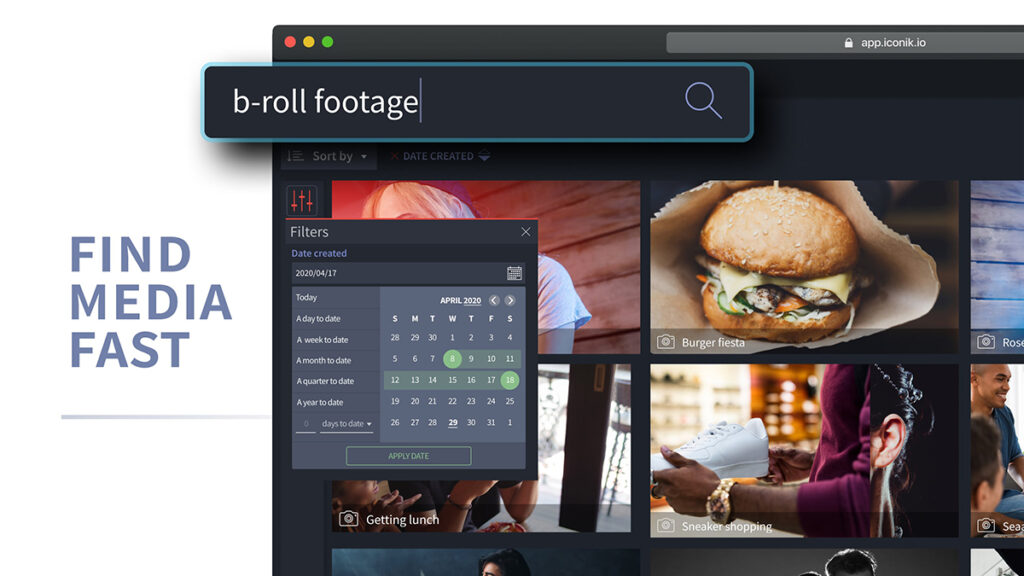
One of the biggest drains on human resources, when dealing with a large library of media assets, is searching for what you need. Not only can editors waste huge amounts of time locating a specific clip, but this mundane task disrupts the creative workflow and causes a lot of frustration.
The editing and approval process for producing media is a bit like a relay race, with each team member passing content between them. That process turns into a marathon if editors need to hunt through archives, trying to locate the perfect shot.
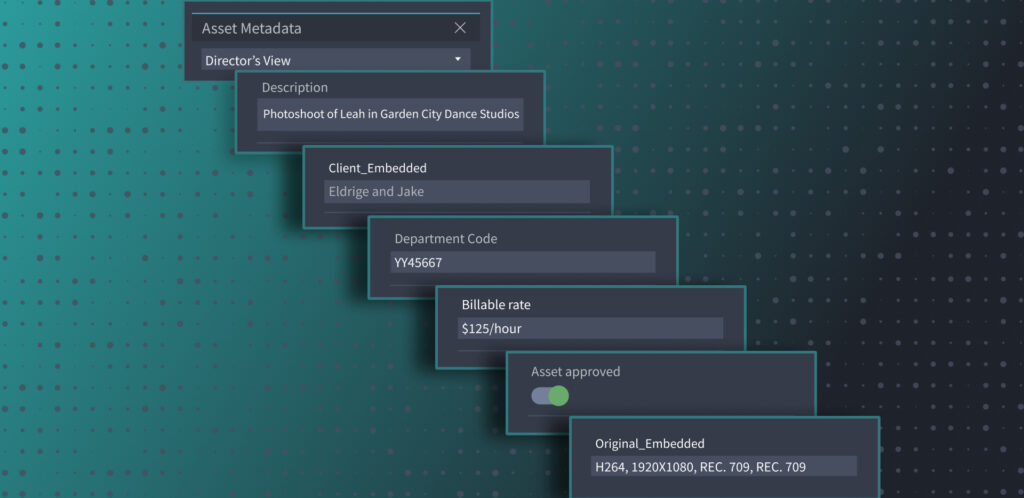
Developments in AI auto-tagging for video media, now allow users to add detailed meta-data, frame by frame, automatically. Not only that, AI generated transcriptions can convert voice to text, making audio information searchable. The text can be time-stamped, attributed to speakers and it then becomes part of the core metadata for that video. The use-cases for this technology are extensive, allowing editors and producers to collate media content that references a particular celebrity or sports personality. Or even find clips that mention connected news reports across several years, allowing teams to quickly build a visual story around events.
Minimizing the Mundane
Practical issues are always a consideration when dealing with media production, but there is also something less tangible at play when it comes to an effective creative process. The psychologists Mihaly Csikszentmihalyi and Jeanne Nakamura explored the concept of a “flow state”, whereby people reach their full potential when immersed in a task that is simultaneously challenging and engaging.
To reach this optimum creative mindset, often described as “being in the zone”, content creators need to be able to focus on the task in front of them without distractions. Video editing software allows the user to become absorbed in what they are doing with all the tools to hand. The disconnect often happens when editors need to leave that environment, digitally or physically, to locate specific footage. By the time they return, it can take up to 30 minutes to re-enter a flow state and become immersed in their project again.
AI minimizes the mundane process of locating media. If organizations implement media asset management tools that integrate with editing software, they can facilitate a user-experience that is synonymous with great creative output. By enriching content with data, companies can remove many of the roadblocks facing creative teams. This will enable them to spend less time managing content and more time creating it.
A New Way of Working
As the long-term move to remote working continues, teams will need to collaborate on projects effectively, wherever they are based and wherever their media is stored. Securely managing media from a central hub, will bring users the benefit of sharing ideas effortlessly.
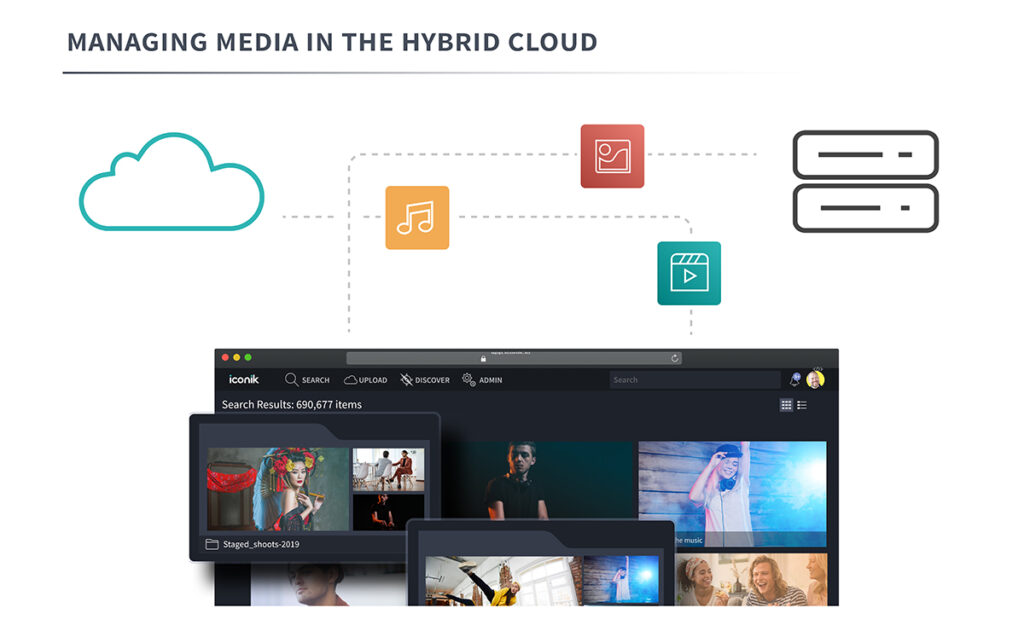
Any company creating video content can now benefit from hybrid-cloud technology, enabling teams to access proxy versions of video files and work quickly and efficiently. The process means that users can share, edit, review, and approve media content from anywhere. This allows content creators to access video footage stored in different locations from an interconnected platform, without migrating the files. Rather than uploading and downloading huge video files, any changes and comments can be logged in a proxy version of the media. Once they are ready, users can export a final render or continue collaborating on edited versions until they are happy.
The future of remote work isn’t editing in isolation. An integrated workflow helps communication feel natural and develops a dialogue around content. It is the speed of this exchange, as well as receiving intuitive feedback, that mimics the way creative teams normally bounce ideas around. Wherever teams are working, the editing experience should feel like they are in the same room.
It’s clear that content creators are under more pressure than ever, to match consumer’s appetite for video content. The demands of an “always on” output can significantly affect video content quality if it’s not managed appropriately. But new tools don’t necessarily mean sacrificing creativity for productivity.
The goal of implementing AI and workflow automation cannot be to churn out unlimited content. Instead, it can reduce the legwork associated with creation, putting the focus back onto the skills and ideas only humans can provide. When used effectively, AI tools allow content creators to focus on what they do best, liberating them from menial processes and helping them reach their true creative potential.
Responses