

AI Agents Expand Creative Tools to Millions

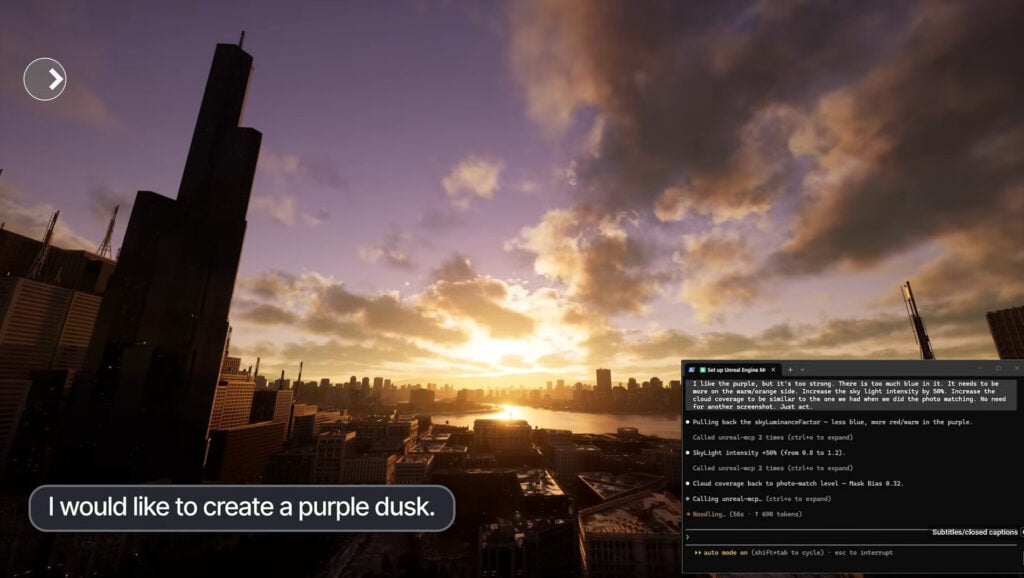
Hero image courtesy of Epic Games
Leading creative applications are opening Model Context Protocol (MCP) connections that let AI agents work inside the tools where scenes, shots, timelines, assets and edits come to life — while creators stay in control.
For more than two decades, NVIDIA technologies — from GPU-accelerated viewports and CUDA-powered effects to NVIDIA RTX PRO ray tracing, AI denoising, neural rendering and real-time simulation — have helped accelerate the DCC tools that artists, studios and developers use to build the world’s games, films, television shows and advertising content.
MCP is opening the next chapter of accelerated creativity: applications aren’t just getting faster. They’re becoming agent-ready.
From Acceleration to Action
With MCP-connected tools, an artist or technical director can ask an agent to inspect a scene for missing textures, flag inconsistent color management, prepare export variants, generate playblasts for dailies or validate a shot against pipeline rules, all while keeping creative decisions in human hands.
The same NVIDIA platform that accelerated viewports, rendering, simulation and AI effects can now power local agents, model inference and multi-application workflows on systems designed for professional creators.
NVIDIA RTX PRO workstations, DGX Spark and DGX Station systems are designed to bring accelerated AI performance closer to artists, developers and studio pipelines. Running models and agents locally can help improve responsiveness, reduce reliance on external services and keep sensitive creative data in controlled environments.
NVIDIA Agent Toolkit also supports MCP integration, including an MCP client for connecting to remote MCP servers and an MCP server for publishing tools to any MCP client.
The Creative Ecosystem Goes Agent-Ready
Across the creative ecosystem, creative applications and platforms are exposing MCP connections or MCP-ready workflows, giving AI agents more grounded access to real production context.
Adobe is expanding its creative agent across Firefly, Express and Creative Cloud, powering AI Assistant experiences that enable creators to describe the outcome they want while the assistant orchestrates multistep workflows. Adobe is also bringing its pro-grade creative tools to third-party AI platforms through the Adobe connector, extending its creative capabilities wherever people create and work. For developers, Adobe provides the Adobe Express Developer MCP Server, enabling AI coding assistants to build Adobe Express add-ons using official documentation and application programming interfaces (APIs).
Can’t see this video? Click here!
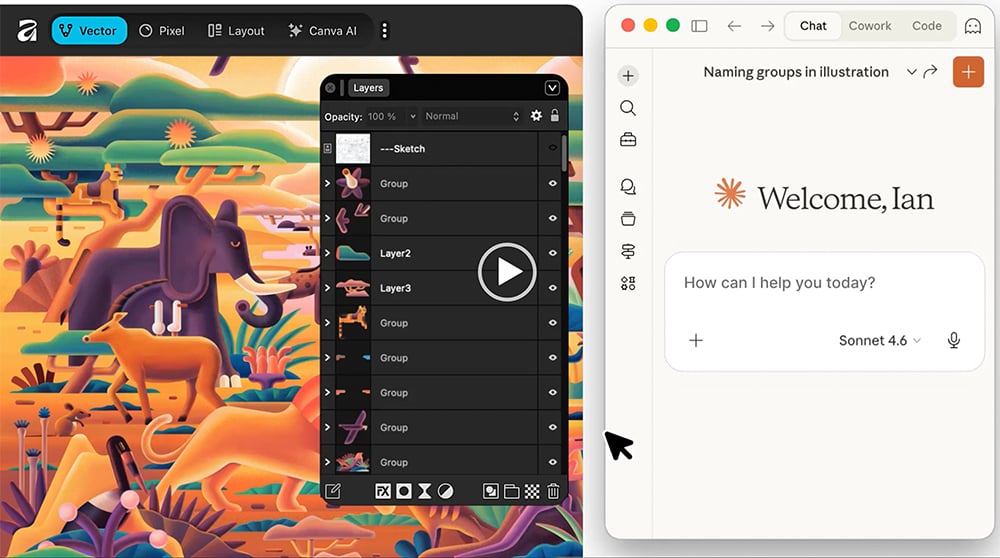
Affinity by Canva has introduced an AI Connector for Claude that uses MCP to bring natural-language automation directly into Affinity. Designers can ask Claude to handle repetitive production tasks such as renaming layers and artboards, resizing and reformatting assets for multiple channels, applying bulk edits, optimizing vector paths and preparing files for delivery. Beyond individual tasks, Claude can also help users build reusable scripts and custom features tailored to their workflows, reducing production overhead and giving creative professionals more time to focus on design.
Blender offers a lightweight MCP server through Blender Lab, providing a natural-language interface to Blender’s Python API, documentation and complex setups. For independent artists and studios, Blender offers a strong example of how open creative tools can become agent-accessible without changing the creative center of gravity.
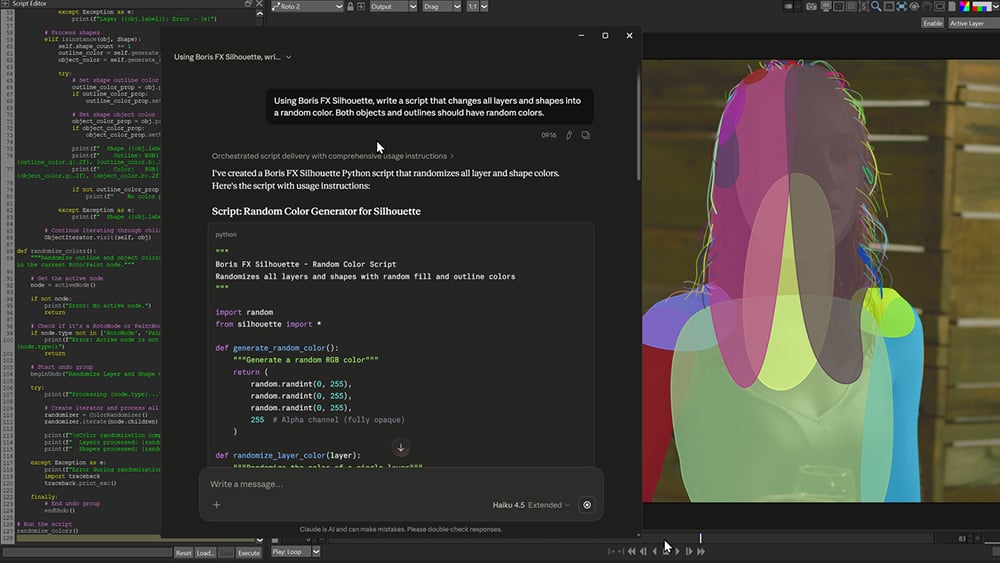
Boris FX Silhouette now includes an MCP server that lets AI assistants work directly inside your projects. Using Silhouette’s FX Scripting API as first-class MCP tools, assistants can inspect projects, build node trees, edit shapes and keyframes, and render frames. A new preferences panel simplifies setup by installing the MCP package, generating a ready-to-paste client configuration, and testing the connection. Interactive online mode connects to your active session, while offline mode runs headless instances for automation, batch processing, and large-scale workflows.
Foundry Griptape natively supports MCP, providing AI orchestration specifically designed for professional VFX pipelines. This integration enables studios to securely manage multiple AI models and agents while maintaining the necessary traceability and creative control. By integrating with tools like Blender and Foundry Nuke, Griptape automates repetitive production tasks — such as cleanup, matte painting and quality control — all while ensuring artists remain in final command of the creative process.
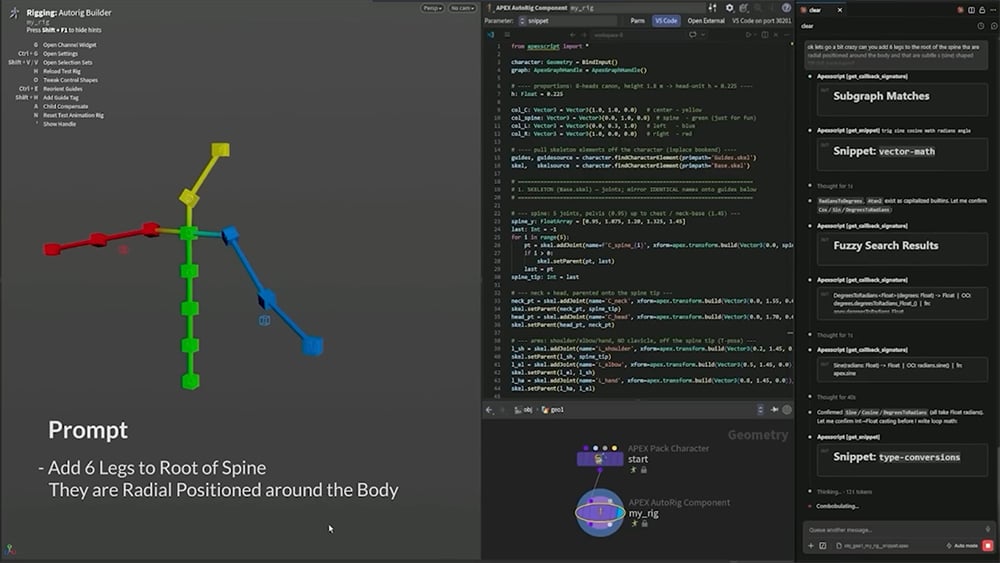
SideFX is bringing MCP support to Houdini 22 through its new APEX Script workflow. AI assistants can access a curated collection of APEX Script syntax, functions, documentation and examples, helping artists generate and refine code for procedural character rigs. SideFX’s initial implementation focuses on APEX Script and character rigging, while community-developed MCP servers offer broader ways for agents to interact with Houdini.
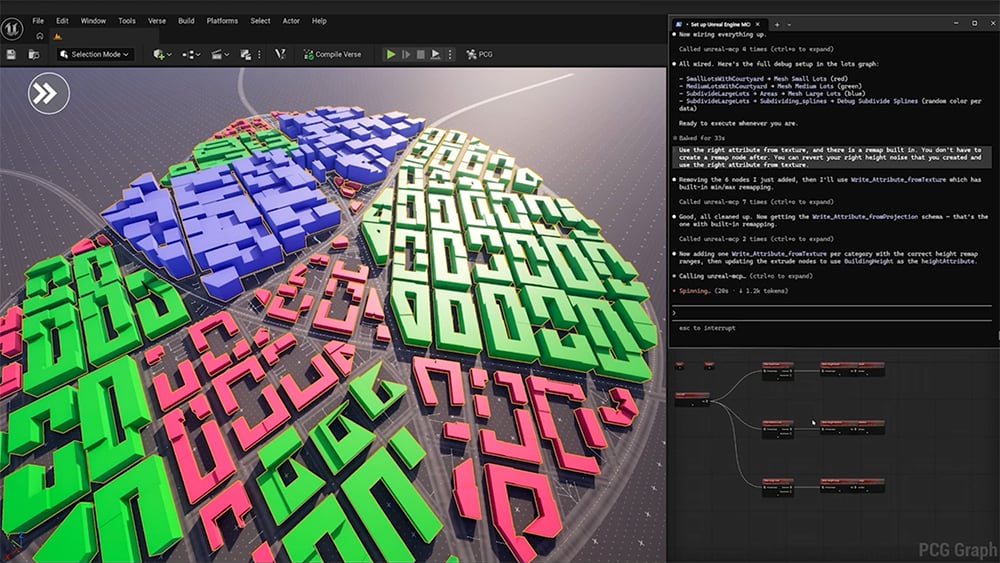
Unreal Engine recently announced the ability to connect AI clients to Unreal Editor through MCP, enabling AI workflows that can interact with editor capabilities through a standardized protocol. For game developers, virtual production teams and real-time artists, this opens the door to assistants that can reason over scenes, assets and project state.
Enjoying the news? Sign up for the Creative COW Newsletter!
Sign up for the Creative COW newsletter and get weekly updates on industry news, forum highlights, jobs, inspirational tutorials, tips, burning questions, and more! Receive bulletins from the largest, longest-running community dedicated to supporting professionals working in film, video, and audio.
Enter your email address, and your first and last name below!

Responses