

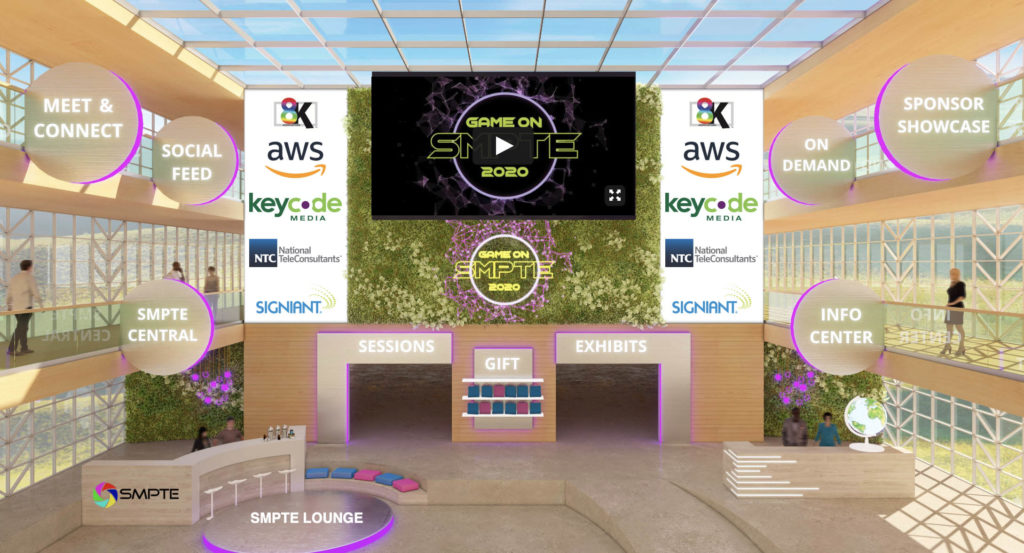
A Sound Recap of SMPTE Gone Virtual: A Student’s Experience

As a soon-to-be graduate of The Music Production and Audio Recording Technology Certificate program at The Community College of Baltimore County in Maryland, I’ve also had to adapt and evolve my education during this pandemic. While a lot of my student experience has been turned completely upside down this year, SMPTE 2020 becoming a virtual affair (instead of an LA-based event) added another opportunity for learning I would not have had otherwise.
After collaborating with some of the programming committee in the days leading up to the event, I was asked to recap some of my favorite sessions and highlight the sound side of what is typically an imaging-heavy conference.
Immersive Audio Real World Workflows
Immersive Audio proponent Brian Vessa of Sony Pictures lent his expertise as he advocated for the increased use and importance of Immersive Audio Bitstream (IAB) over proprietary methods for mastering and distributing immersive audio. He went into great detail on how manufacturers, audio personnel, and international distributors can all achieve and acquire the same results with great efficiency using IAB, standardized by SMPTE in ST 2098-2.

By applying methods suggested in Vessa’s presentation, advanced sound quality can be achieved in numerous mediums without heavy modifications being made to support each individual outlet. Increasing operability brings efficiency with artistic intent. This forward-thinking approach is precisely what has helped move audio technology into a new age of exploration and discovery.
Exploring Sound in Mandarin-speaking Cinema
Preparing for future technologies is a great message to convey; however, a more immediate educational opportunity presented itself during this conference when patrons were awarded the chance to experience a first in SMPTE conference history. Renowned sound designer Duu-Chih Tu gave a presentation on his work in Taiwanese TV and film. This was the first time a presentation was given at the conference in a language other than English. Thanks to the virtual nature of the event, subtitles were used to translate, thus providing viewers with a fresh yet familiar perspective on sound design.
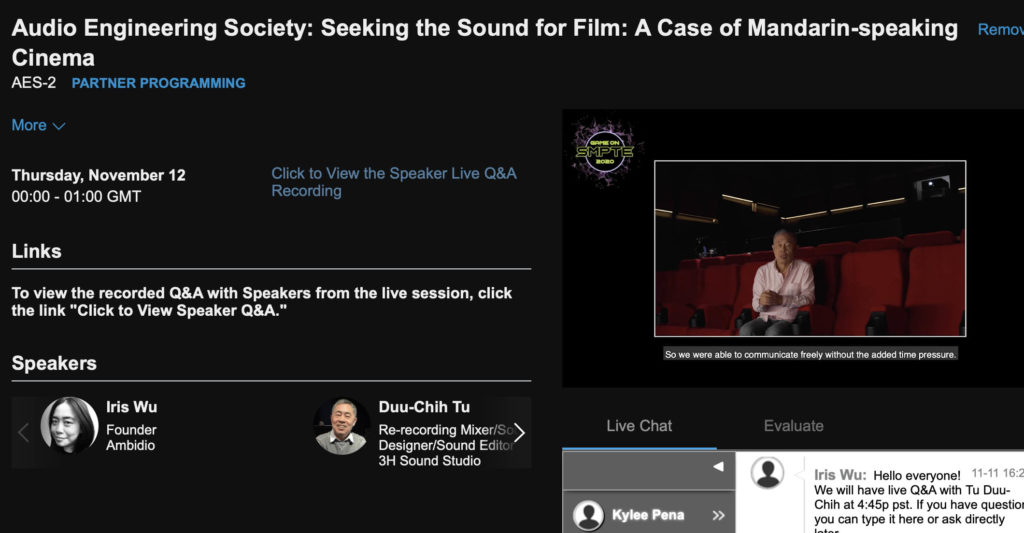
Duu-Chih Tu used movie clips he’s worked on to highlight the use of audio and various sound techniques used in the region when conveying storylines and character development. For example, when speaking about an opening scene in one of his films, he explained why he used a specific cultural genre to convey the socio-economic status of the characters. He also expressed the importance of silence as a sound tool. Incorporating purposeful silence helps to add emotion and depth to a scene or character.
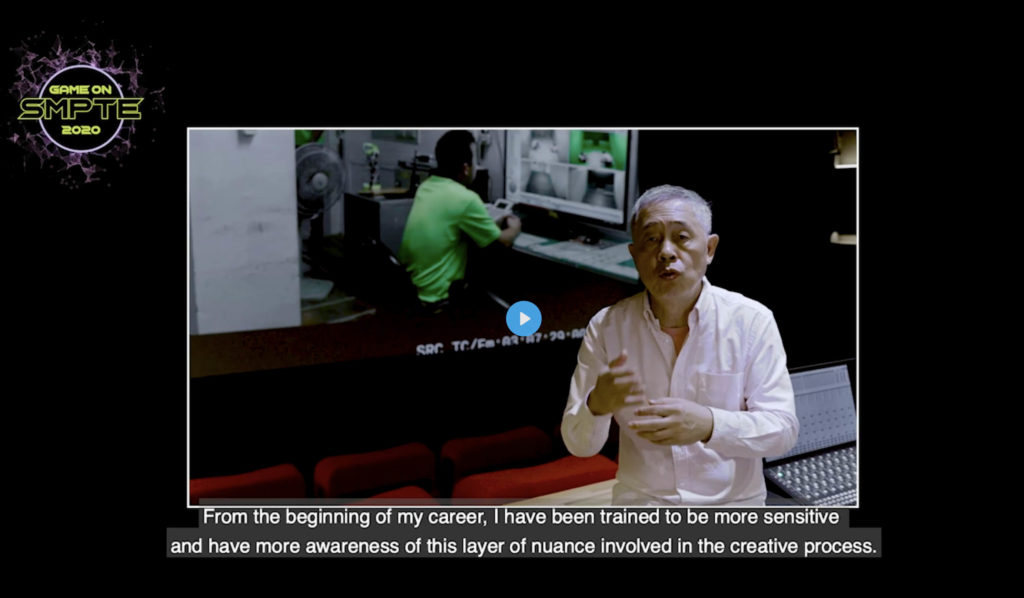
Considering sound design is not universal throughout the world in its application, this demonstration of such a fact was eye-opening and intriguing. That being said, the differences that exist in audio workflows between the West and Taiwanese culture do not overshadow the sense of community built by working towards the same goal and sharing those experiences.
Producing Audio in a Pandemic
It is that same sense of community that Netflix’s Ozzie Sutherland mentioned as one of the hidden benefits of the changing work environments, on a panel of experts who have worked through the pandemic. As one would expect, COVID-19 has presented many challenges to those who work in sound. These included gear accessibility, bandwidth issues, security of high-value content, and a heavier workload.
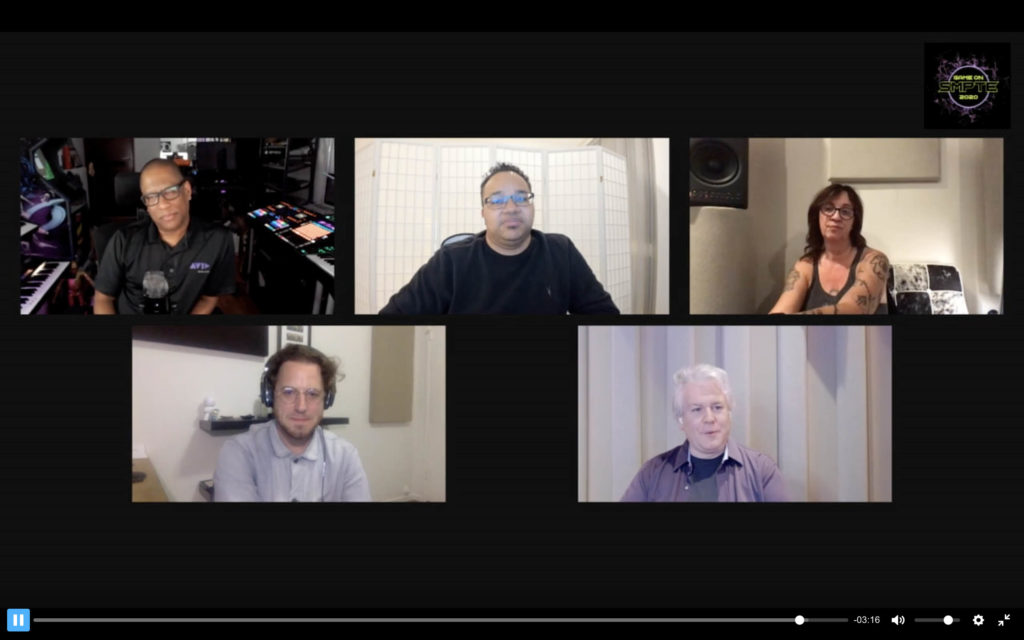
Regardless of these challenges, mixers Paula Fairfield, Jonathan Wales, Scott Lewis along with technologist Ozzie discussed how the pandemic’s effect on workflow is not all negative. With the change in status quo, more specific focus can be placed on the work itself because of things like quicker response times (due to informality) and the innovation of technology to combat our ‘new normal’. The moderator of the conversation, Avid’s Greg Chin worked to ask compelling questions that pushed the speakers to reflect and challenge their own perceptions just as technology, in this uncertain time, has demanded.
My First Conference: A First For Many Others Too
Having never attended an industry conference, I can’t compare my remote experience with what has been typical. However, this virtual event was likely also a first for a majority of attendees, putting us all on level ground. If there’s a silver lining to this crazy year, it’s that all of these events have become equally accessible no matter our industry stature: a fact for which I am immensely grateful.
SMPTE and AES have helped change the way we view education and social interaction surrounding sound and production technologies through this unique conference experience. With a bar raised this high, the possibilities for next year’s event are endless and bursting with potential. Considering my future conference experiences will all be compared to this one, I have high expectations, as I enter my career, realizing what greatness currently exists and is yet to come.
Responses