


People Need to Come First When We Use AI

“It’s just surviving. Life’s very existence requires destruction. Calvin doesn’t hate us. But he has to kill us in order to survive.” – Hugh Derry, “Life,” Columbia Pictures, 2017
Unless you’re someone like Jensen Huang, CEO of Nvidia; or Sam Altman, CEO of Open AI; we know you have mixed emotions, concerns, indifference, apathy or optimism when it comes to AI and the work you do, so let’s put things in perspective.
According to the World Economic Forum, every day, about 67,000 people turn 65 while a report by Challenger, Gray and Christmas estimated that 49l people will lose their jobs to AI.

Yep, you have a better chance of getting old than being unemployed by the technology.
Okay, that’s not a big consolation but it’s an important point in the whole AI discussion because even though we now have over 8.2B people on the planet; and by 2030, the number is projected to rise to 9B, we’ve got the wrong “mix” and the numbers are trending in the wrong direction.
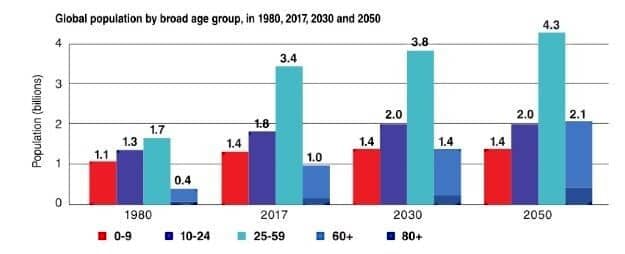
Today, we have enough people in the working age group but look at the up-and-coming age groups and it won’t be long, and we’ll be retiring more folks than we add to the workforce.
That’s going to put a major strain on the GenZ/Alpha and beyond generations because while the population is slowly growing but it’s because0 people are living longer and that will place increased importance for people in the healthcare and eldercare fields.
AI will impact many careers just as technology we now take for granted did in the past.
Typewriters, later computers and then the internet changed the roles and numbers of individuals in the office and administrative support field and the way they worked.
AI will impact those positions yet again.
AI will change the workload in the healthcare and eldercare fields, but more people will be required to work closely and seamlessly with the technology to diagnose and treat patients as well as help the growing senior population live fuller, healthier lives.
AI will focus on what it does best, researching through vast amounts of data that is captured regarding the individual and people around the world to look for similarities, anomalies and develop care options/recommendations based on the specifics of the individual.
In other words, AI will become a digital teammate so the practitioner/care giver can focus on the more vital tasks that require strategic/creative thinking, empathy, emotional depth, intuition and building authentic human relationships.
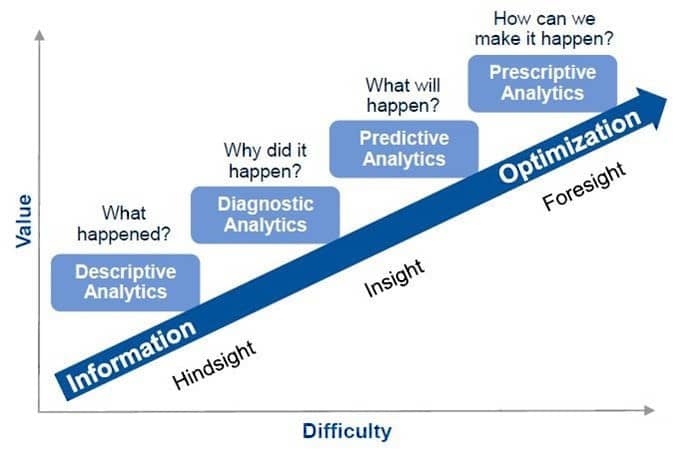
Recognition – It’s important that people not accept everything – written/visual – as “real” and question/recognize AI slop and hallucinations when they are presented. As AI improves, seeing/knowing the difference will become increasingly difficult.
In time, AI will increasingly be able to mimic these human attributes, but it will be difficult if not impossible to replicate them.
Predictions of human-level AI have been made for years and while the technology’s video and written output continue to improve dramatically, it falls short when it comes to unique human experiences and cultural context.
Is that an important/vital differentiation?
Take a real-world example.
We are again reminded of the Cuban missile crisis in 1962 and soviet vice admiral Aleksandrovich Arkhipov who went down in history as the man who prevented nuclear war.
Two of the vessel’s senior officers – including the captain – wanted to launch their nuclear torpedo and destroy the American vessels, even though it meant the death of their crew as well.
But to launch, all three senior officers had to agree, and Arkhipov refused to sanction the launch and his discussion of all of the pros/cons, emotional/humanitarian effects he cooled the situation down and disaster was averted.
One person made the decision to “vote” counter to the “logical” solution because it just didn’t “feel” right.
Would we still be here if AI had been making the decisions?
Despite this, business, industry and governments run toward the eternal flame that promises faster, easier decisions/actions and profits with the least amount of effort or work.
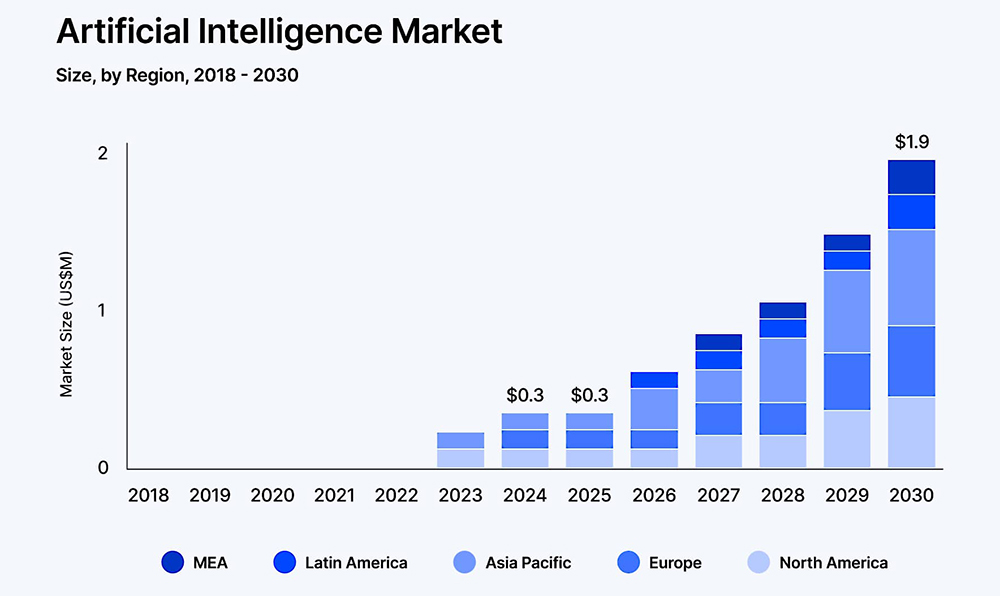
Promising Return – AI firms are rushing to flood the market with newer, better tools and products0 while companies and individuals increase their use of the technology to reap the0 benefits and profits.
They did note though that, if possible, they were going to transition staff from disappearing roles into new ones that are becoming increasingly important to the organization to keep them relevant and profitable for the organization.
Of course, not every organization is willing to invest the time and money to help people make that transition.
We know of one firm in California that was simultaneously carrying out staff reductions while hiring new people who were more AI savvy workers.
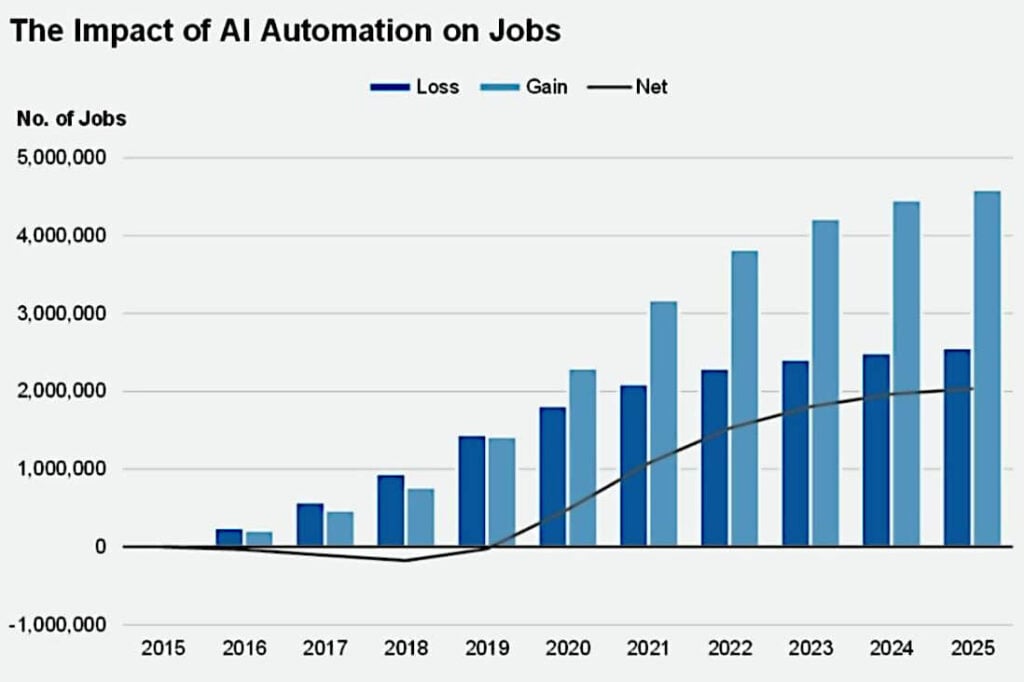
The company is far from unique.
However, we have to step back from the hire to fire cycle because of the negative impact it has on people and organizational reputations.
Despite these ill-conceived moves, the global rush to implement AI is far from grim.
Europe’s AI-related job roles increased 19 percent–especially in Germany, France and theNetherlands–while in India, AI-related employment grew 49 percent year-over-year and was heavily driven by AI service providers.
Africa experienced a 12 percent AI-driven job increase while the Asia-Pacific region accounted for 47 percent of the global AI job creation with China and South Korea leading the growth.
Saudi Arabia and the UAE invested more than $3.2B in AI education and workforce enhancement resulting in a 28 percent AI job increase in the region while Lain America had a growth rate of 17 percent with fintech and language processing leading the demand.
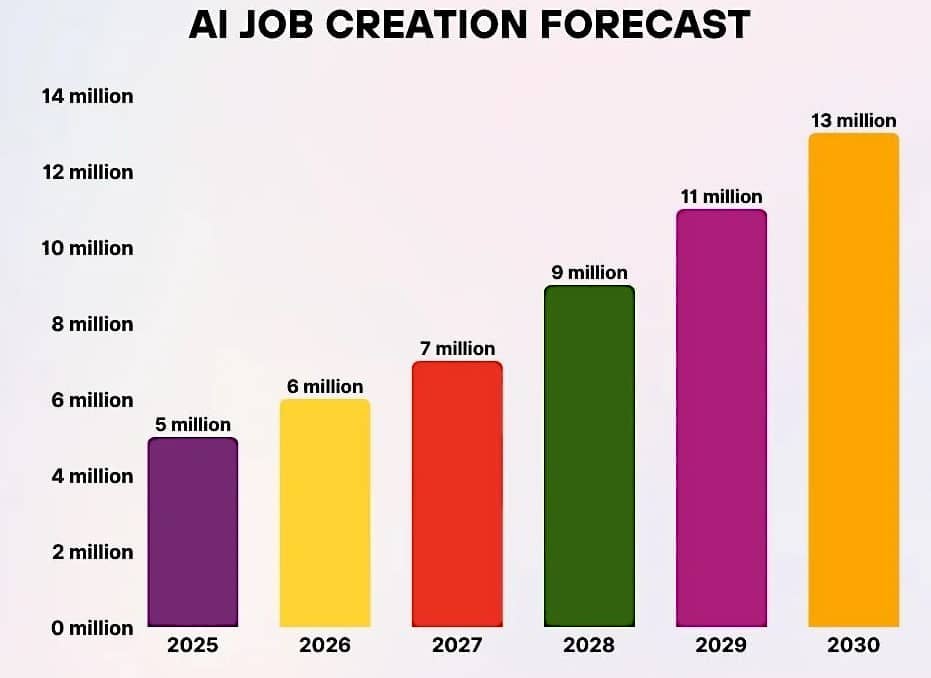
More, Better Jobs – AI will disrupt most organizations around the world with people losing their jobs or finding them dramatically changed; but in the long run it will require more people with new, hopefully more interesting talents.
Despite these ill-conceived moves, the global rush to implement AI is far from grim.
Last year AI contributed to net job creation in 164 countries with developing economies accounting for 33 percent of the gain and the job market is estimated to be worth $1.84T with direct and indirect employment impact.
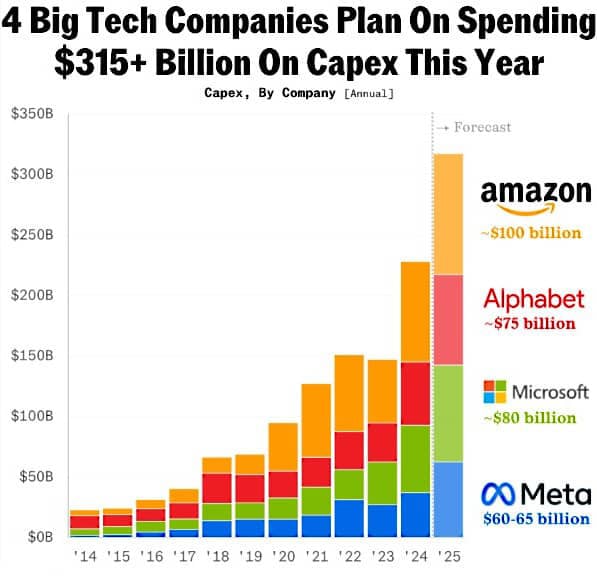
Rush to Dominate – The world’s leading tech firms are investing heavily in the hopes of being the leaders in the AI race and reaping large, long-term financial returns.
The biggest issue we have with the rush to dominate the AI field has been the rush major tech firm’s have made in investing in the technology – custom AI chips, massive AI computer clusters, new AI foundational models, loads of AI agent-focused tools and products and yes, an overabundance of people to guide and develop these solutions.

It’s not unlike the great dot-com bubble in 2000 where every organization was hiring anyone/everyone with visions of millions/billions in profits that were to come … soon.
This time, the major tech giants (Google, Amazon, IBM, Microsoft, Meta and China’s Baidu, Alibaba and Tencent) have led the charge throwing masses of money and labor hoarding to be first in line for the big payoff.
Meta’s Zuckerberg was an excellent example of “misguided” management dangling hundreds of thousand/millions dollar paychecks to ensure his organization could be at the front of the pack to gobble up and use data and solutions/answers before anyone/everyone else.
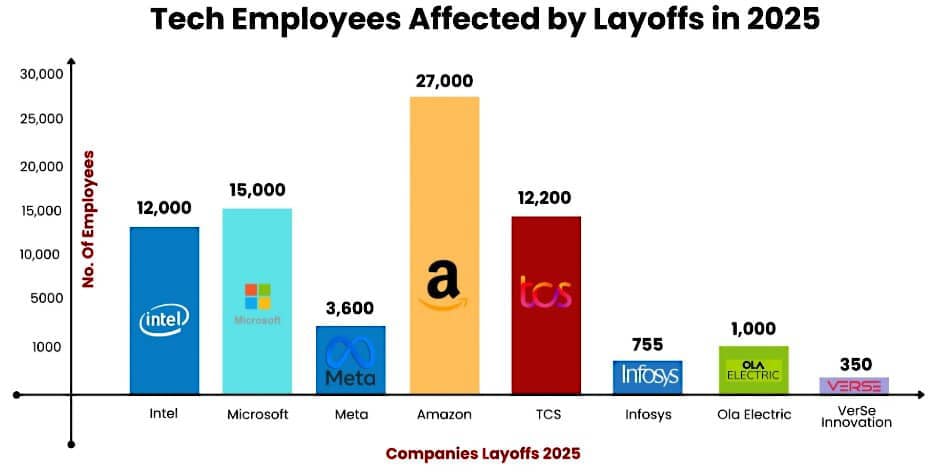
Shifting Staffing – Last year was a hire-to-fire cycle for most organizations as they continued to try and determine the right balance of people for the new workload. Hopefully, this year, and in the years to come, they’ll have a better understanding of how they can properly use people to handle/work with AI.
To perhaps validate the opinions of those CEOs who thought they could be replaced by AI, they and others cut more than 128,000 jobs across 218 companies, including the major AI technology investors.
The companies across the board mandated return-to-office policies, mandated that a major percentage of code must be AI-written and then cut corporate headcount at the middle and engineering levels as the new technology was fully developed, tested and came online.
To damage their corporate reputations (they aren’t alone) and erode employee confidence, they justified the move much as Amazon in its earnings report did by saying, “What we need to remember is that the world is changing quickly. This generation of AI is the most transformative technology we’ve seen since the Internet, and it’s enabling companies to innovate much faster than ever before (in existing market segments and altogether new ones). We’re convinced that we need to be organized more leanly, with fewer layers and more ownership, to move as quickly as possible for our customers and business.”

And yet, somehow executives wonder why employees aren’t loyal and often begin looking for a new position before they have found out where the company bathrooms are or receive their first salary check.
McKinsey projects that by 2030, 70 percent of job skills will change, and 30 percent of the work hours will be automated which is why companies are making AI replacement decisions now, not in five years.
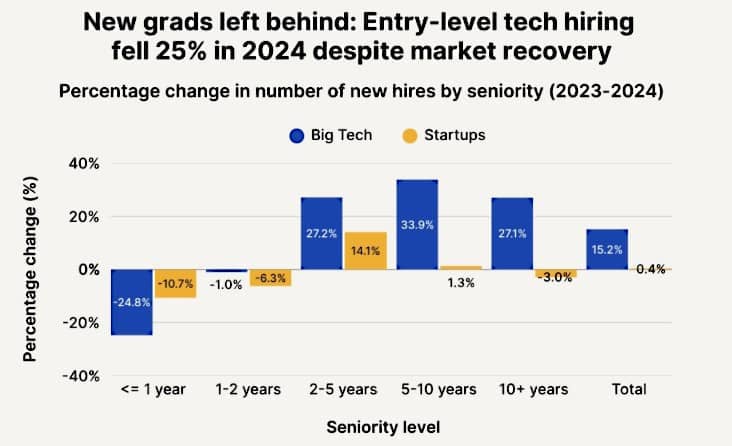
Entry Level Effect – In almost every industry, management teams have found it fast, easy and profitable to use AI for early career jobs. The decision is having a negative impact on people just starting on their careers and can result in a vacuum of experienced staff as people change jobs or retire.
While AI will become more important in almost everyone’s workday, we’re more concerned about those just entering – or trying to enter – the workplace.
SignalFire’s research pointed out that companies have reduced their new graduate hiring by 25 percent, 13 percent simply can’t find jobs in their chosen (or alternative) field which makes it extremely difficult to get real world experience.
The key move for these individuals is to show the companies that they have the ability to study, learn and adapt to the continuing technological changes. The goal is to stay current/valuable to the company. As they grow in the organization, they will take the human-centered approach to AI and be able to determine the difference between AI slop, hallucinations, designated garbage and accurate, effective and useful data and information.

The key for the rest of us is to acknowledge that AI will affect our work one way or another to a greater/lesser degree and rather than blindly embrace or ignore change, recognize that the new environment will reward those who work with AI rather than against it.
The survival rule is that “AI won’t take your job if you’re the best at using it.”
In other words, start using it better than everyone else and where it’s right for the task at hand.
It is still only a tool with no agenda or opinion on its own. In fact, it sucks at things like communicating, empathy, leadership, teamwork, interpersonal relationships and perhaps most important when presented with a question or situation, it doesn’t have sufficient information/data/background on being able to say, “I don’t know.”

It’s very good at offering you a show/movie on your streaming service that you might be interested in based on past viewing habits but it can’t assure you that it’s going to nail it with the recommendation because there are too many human variables.
As Miranda North said in Life, “I know what I feel is not rational, not scientific.”
Or, closer to home, Steve Wozniak, co-founder of Apple, reminds us, “The brain works differently to computers that can do a million things a second, An AI system can be fed thousands of pictures of dogs to be able to identify one, but could not tell if the dog was there or on a poster – something a one-year-old child could do.”
Even Huang and Altman will agree the technology has a way to go.
Enjoying the news? Sign up for the Creative COW Newsletter!
Sign up for the Creative COW newsletter and get weekly updates on industry news, forum highlights, jobs, inspirational tutorials, tips, burning questions, and more! Receive bulletins from the largest, longest-running community dedicated to supporting professionals working in film, video, and audio.
Enter your email address, and your first and last name below!


Hey Andy,
As always, you make some good points. Thank you.
A.I. undoubtedly is still in its infancy, hence you see it break out of its sandbox, and break into companies.
There is also the issue of cost, as does the “productivity” that it offers, come at too high a price.
Look at the horror story from Uber, where there employees “burned” through the annual budget for A.I. in just 4-months.
All very good put A.I. on everything, but if the end customer don’t want to pay for it, and the user can’t get it to do what they want it to do, then it is a wasted journey.
Just look at Adobe, they are getting a new CEO because although early A.I. starters, they missed out on A.I. and are now getting killed off by competitors.
(PS: I am all in favour of Adobe getting a whole new suite of C-Level executives – I think that as a company they have lost the creative lead that they enjoyed 14-years ago)
OK, some might argue that Apple is hopelessly behind on A,I, too – question is whether they need to end up in bed with NVidia, Intel, or my bet: Google.
(Google has already supplied Apple with $1Bn+ worth of A.I….
Point is, until LLMs are run on your local machine, being your work companion (agentic), without paying over the top cost for cloud based (A.I. Data Centres), we will continue to change the diaper on that baby.
This week I read this book, which I can recommend. Not least how it describes the hallucinations that A.I. can have, but also if not careful, certain A.I.’s will make the user hallucinate too. To a level where human have been close to, or even carried out suicide.
Can be found in most good bookstores in print, digital or audio:
How to Talk to AI: (And How Not To) by Jamie Bartlett
Atb
Mads