

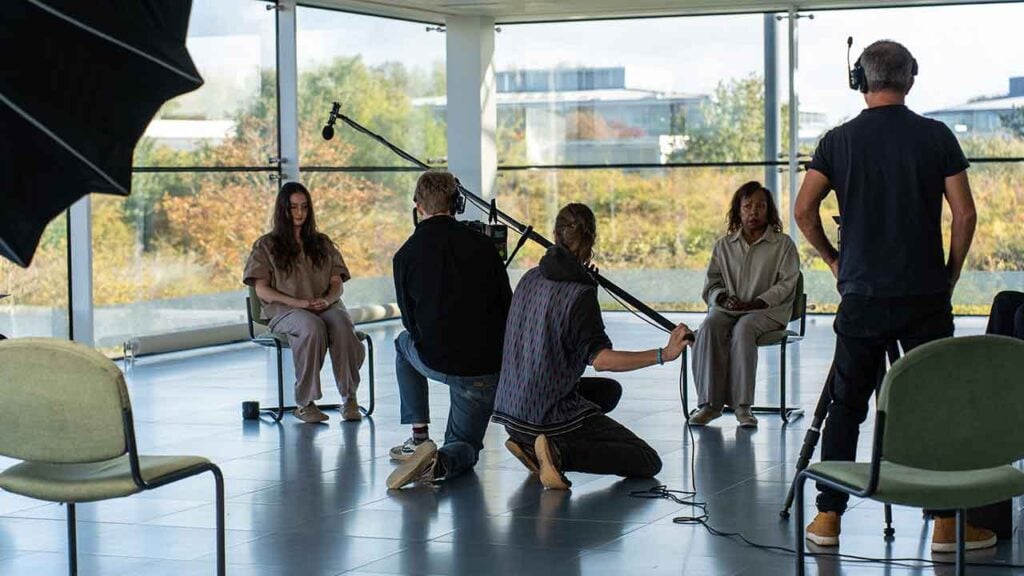
Balancing Reality and Imagination with Blackmagic PYXIS 12K

James Westlake on shooting “Imagination of a Phoenix” with a large format 8K workflow
For Cinematographer James Westlake, “Imagination of a Phoenix” was one of those rare creative challenges that demanded both technical precision and visual freedom. The independent feature film, which was directed by Nicholas Beveney, explores memory, perception and shifting realities, dancing between grounded drama and dreamlike sequences.
To cater to a tight budget, a packed two week schedule and a location full of visual hurdles, Westlake needed gear that could do more than just capture great images and keep up with a fluid, fast changing creative vision.
“From the beginning we knew we wanted a cinematic, intimate look that could strike the hard balance of transforming seamlessly when the story shifted into these heightened, almost surreal spaces,” he noted.
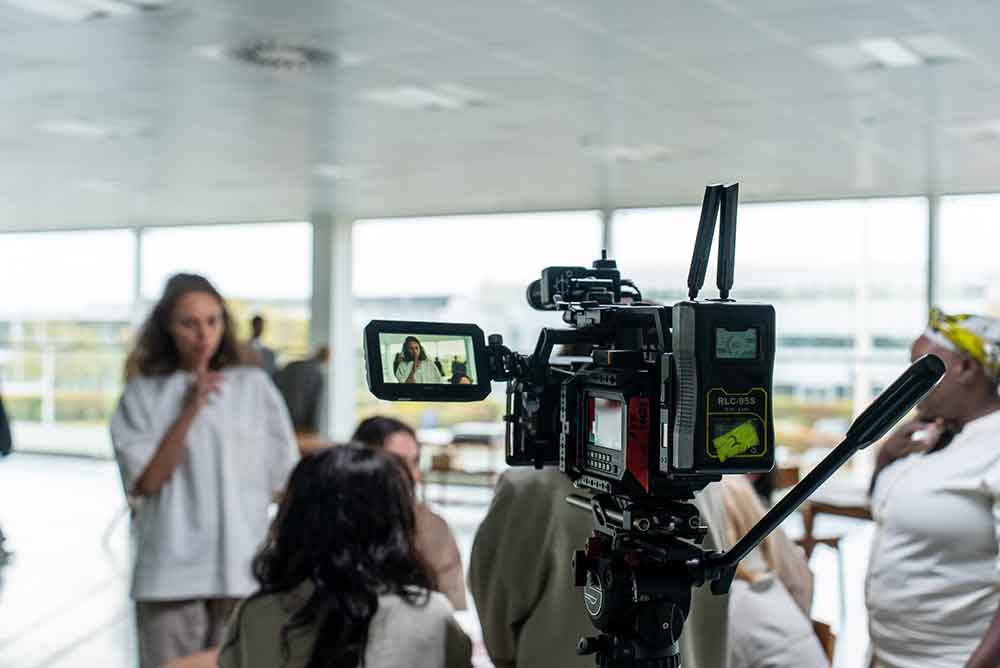
What helped him accomplish that balance was the Blackmagic PYXIS 12K, a large format digital film camera with exceptional dynamic range, nimble handling and a flexible workflow that suited every phase of the production.
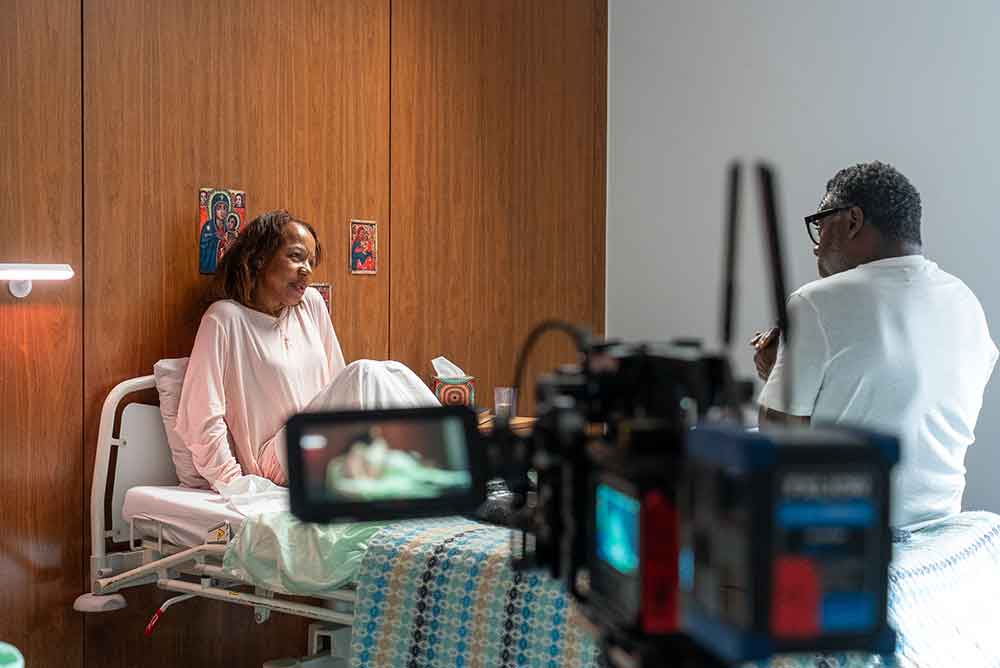
Adaptable Full Sensor Performance
Westlake had worked with Blackmagic Design sensors before, including the Blackmagic URSA Cine 12K LF. What stood out with the PYXIS 12K was how it delivered the same large format characteristics in a much smaller, more adaptable body.
“With PYXIS, you’re getting the full large format image no matter what resolution you’re recording. There’s no crop thanks to the RGBW sensor, so lenses behave exactly as you expect whether its 4K, 8K or 12K, and that gives you this beautiful depth and separation without any surprises,” said Westlake.
That consistency mattered because the team never shot the same way twice. One moment they were on sticks, the next on a gimbal, or moving across a slider to follow performers through tight corridors and open spaces.
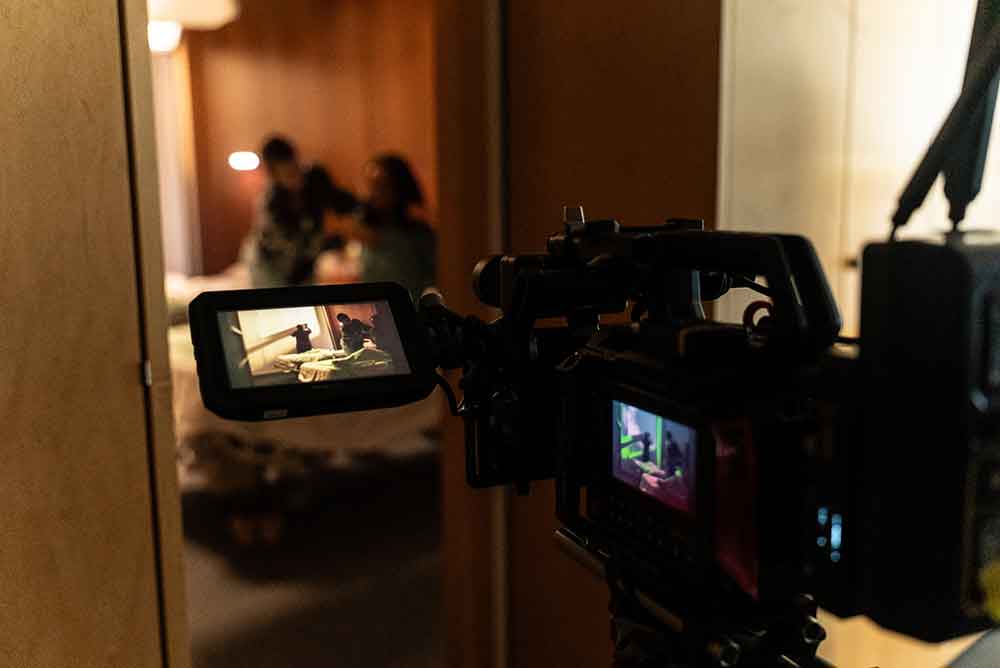
“On a production like this, rigging time is precious,” noted Westlake. “The PYXIS form factor let us switch configurations quickly. It worked equally well as an A camera or as part of an agile gimbal rig. Everything stayed light, and we didn’t waste time refitting gear between scenes.”
To give parts of the story a dreamier, more subjective feel, Westlake chose vintage Canon FD primes, modified for modern use and paired with the PYXIS’ L mount.
“Those lenses bring a softness and halation you don’t get with modern glass, perfect for the sequences that live more in memory than in reality. Every lens had character, and that character became part of the visual language of the film,” he explained.
The short flange distance of the PYXIS 12K made adapting vintage glass seamless. Using a locking adapter ensured rock solid performance during focus pulls, a detail Westlake appreciated during fast setups.
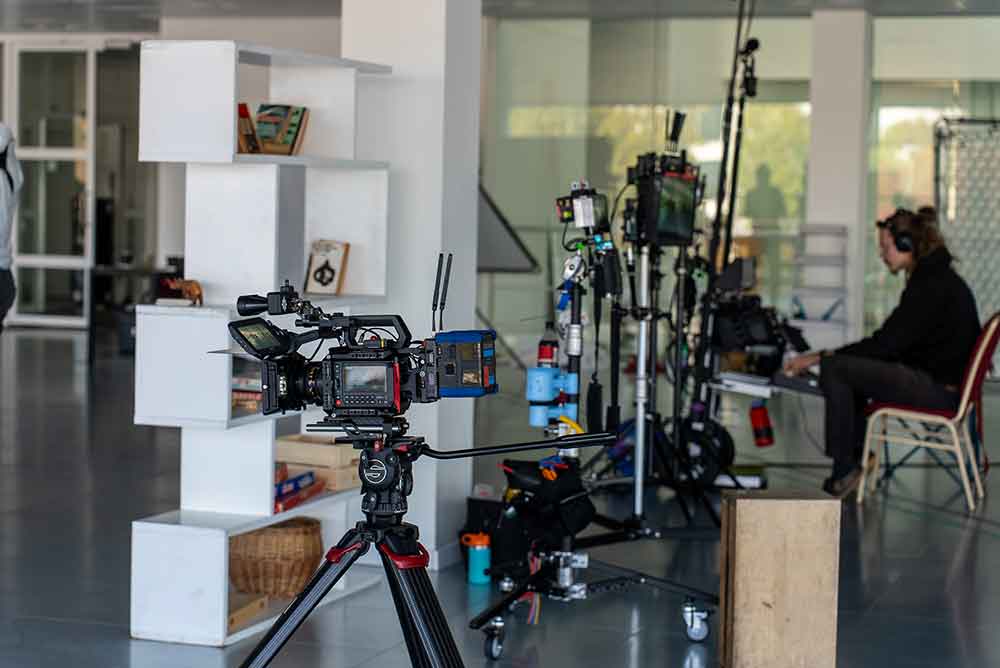
Handling Tough Lighting with Confidence
As the main shooting location was centered around a derelict office building that doubled as a psychiatric hospital, the reflective floors, scattered daylight and narrow hallways meant that lighting was a constant puzzle.
“We couldn’t put lights everywhere. We were doing wide shots, so we relied on natural light and negative fill wherever possible. That put a lot of pressure on the camera to handle extreme contrast,” Westlake noted.
The PYXIS 12K’s 16 stops of dynamic range gave Westlake the confidence to expose for faces while still holding texture in highlights and shadows. Combined with the RGBW sensor’s subtle color rendition, especially in skin tones, the team achieved a look that felt accurate and expressive, even in the mixed lighting conditions that the shoot faced.
“We had a very diverse cast, and accurate skin tones were critical. With bounced daylight units and the PYXIS sensor, the results felt natural, even in shadow areas where colour can easily fall flat,” he said.
Most of the film was shot at ISO 600, and even in darker interiors, the shadows remained clean and liftable in post.
Real World Productivity
To strike a balance between quality and manageable data, the production opted for an 8K Blackmagic RAW workflow, recording at 8:1 and 12:1. Westlake noted that this decision paid off in post: “On the edit side, playback was shockingly smooth. The editor worked directly with the 8K files on a MacBook with an M3 processor, no proxy workflow required. That saved time and kept creative momentum going.”
Westlake used higher frame rates selectively, including a heartfelt, slow motion sequence shot at 75 fps that helped to emphasize emotional beats.
When reflecting on the shoot, Westlake highlighted logistics as the biggest hurdle, from powering lights with no onsite power to managing time constraints that left room for only one or two takes per setup. Through it all, the PYXIS 12K never got in the way.
“You make so many choices that are outside of your control on a production like this. When your camera just performs consistently, it frees you to focus on the creative side. That was huge for us,” Westlake concluded.
The result is a film that moves effortlessly between realism and imagination, made possible by a toolset that kept pace with its visual ambition.
Enjoying the news? Sign up for the Creative COW Newsletter!
Sign up for the Creative COW newsletter and get weekly updates on industry news, forum highlights, jobs, inspirational tutorials, tips, burning questions, and more! Receive bulletins from the largest, longest-running community dedicated to supporting professionals working in film, video, and audio.
Enter your email address, and your first and last name below!


Responses